
Modern industrial design emerged as a response to the rapid industrialization of the late 19th and early 20th centuries. This movement was characterized by a shift away from ornate, traditional styles towards a more utilitarian aesthetic that embraced simplicity and functionality. The Industrial Revolution brought about significant changes in manufacturing processes, allowing for mass production and the use of new materials such as steel, glass, and concrete.
Designers began to favor these materials, which not only offered durability but also reflected the raw beauty of industrial processes. This shift was not merely aesthetic; it represented a broader cultural movement that sought to celebrate the machine age and the possibilities it presented. The early pioneers of modern industrial design, such as Le Corbusier and Marcel Breuer, emphasized the importance of form following function.
They believed that the design of an object should be dictated by its intended use rather than by decorative elements. This philosophy led to the creation of iconic pieces that are still celebrated today, such as the Barcelona chair and the Wassily chair. As industrial design evolved, it began to incorporate elements from various artistic movements, including Bauhaus and Art Deco, which further enriched its visual language.
The result was a style that was not only practical but also aesthetically pleasing, paving the way for the modern industrial aesthetic that continues to influence designers today.
The Evolution of Chrome as a Design Element
Chrome has become synonymous with modern industrial design, serving as a hallmark of contemporary aesthetics. Its journey began in the early 20th century when it was first used in automotive manufacturing. The shiny, reflective surface of chrome not only provided a protective layer against corrosion but also added a touch of elegance to vehicles.
As designers began to explore its potential in furniture and lighting, chrome quickly gained popularity for its sleek appearance and versatility. The material’s ability to reflect light and create a sense of space made it an ideal choice for modern interiors. Over the decades, chrome has evolved from being merely a functional element to a key design feature.
In the mid-20th century, designers like Charles and Ray Eames utilized chrome in their furniture designs, creating pieces that were both innovative and visually striking. The use of chrome in furniture and lighting fixtures became a defining characteristic of the mid-century modern movement. Today, chrome is often combined with other materials such as wood, glass, and fabric to create a harmonious balance between warmth and industrial coolness.
This evolution reflects a broader trend in design where materials are not just functional but also contribute to the overall aesthetic narrative of a space.
The Impact of Floor Lamps on Interior Design
Floor lamps have long been an essential component of interior design, serving both functional and decorative purposes. Their ability to provide ambient lighting while also acting as sculptural elements makes them invaluable in creating cohesive interior spaces. The introduction of modern industrial floor lamps Lamolighting has further transformed this category, allowing for greater expression and creativity in design.
These lamps often feature clean lines, geometric shapes, and materials like metal and glass, which align perfectly with the principles of industrial design. The impact of floor lamps extends beyond mere illumination; they can define areas within a room, highlight architectural features, or serve as focal points in an otherwise minimalist setting. For instance, a tall chrome floor lamp can draw the eye upward in a room with high ceilings, creating an illusion of height while simultaneously adding a touch of sophistication.
Additionally, floor lamps can be used to complement other design elements within a space, such as furniture or artwork, enhancing the overall aesthetic without overwhelming it. This versatility makes them an essential tool for interior designers looking to create dynamic environments.
The Versatility of the Modern Industrial Chrome Floor Lamp
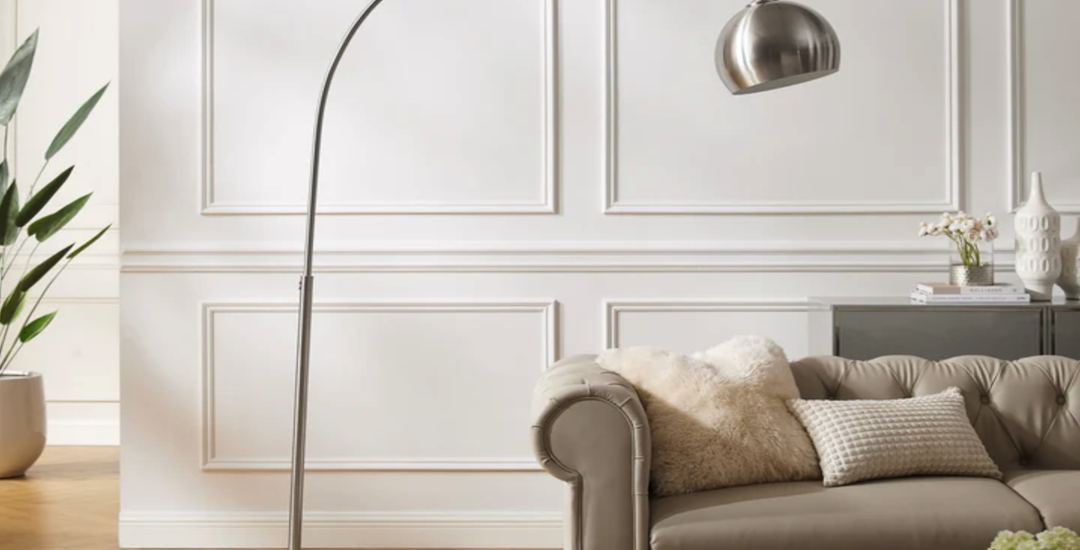
The modern industrial chrome floor lamp exemplifies versatility in design, seamlessly fitting into various interior styles while making a bold statement. Its sleek finish and minimalist form allow it to blend effortlessly with both contemporary and traditional settings. For example, in an urban loft with exposed brick walls and concrete floors, a chrome floor lamp can enhance the industrial vibe while providing necessary lighting for reading or entertaining.
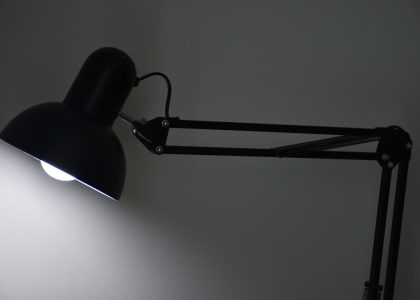
Conversely, in a more eclectic space filled with vintage furniture and colorful textiles, a chrome lamp can serve as a striking contrast that adds a modern edge. Moreover, the adaptability of chrome floor lamps extends to their functionality. Many designs incorporate adjustable arms or shades that allow users to direct light where it is needed most.
This feature is particularly beneficial in multi-functional spaces where lighting needs may vary throughout the day. Additionally, some modern industrial floor lamps come equipped with smart technology, enabling users to control brightness and color temperature through mobile apps or voice commands. This integration of technology not only enhances usability but also aligns with the contemporary lifestyle that values convenience and efficiency.
How to Incorporate a Designer Statement into Your Home
Incorporating a designer statement into your home involves more than just selecting high-end furnishings; it requires a thoughtful approach to creating an environment that reflects your personal style while embracing contemporary design principles. One effective way to achieve this is by curating a collection of statement pieces that resonate with your aesthetic vision. For instance, investing in a striking modern industrial chrome floor lamp can serve as a focal point in your living room or study, drawing attention while providing functional lighting.
When selecting statement pieces, consider how they interact with other elements in your space. A well-placed floor lamp can enhance existing decor while also introducing new textures and materials. Pairing a chrome lamp with wooden furniture can create an interesting juxtaposition that adds depth to your interior design.
Additionally, incorporating artwork or decorative objects that echo the lines or finishes of your statement piece can create a cohesive look throughout the room. This intentional layering of design elements not only elevates your space but also tells a story about your personal style.
The Influence of Industrial Design on Contemporary Interiors
Industrial design has had a profound influence on contemporary interiors, shaping how spaces are conceived and experienced today. The principles of functionality, simplicity, and honesty in materials have permeated various aspects of interior design, leading to spaces that prioritize both aesthetics and practicality. Open floor plans, which are often associated with industrial spaces like warehouses and factories, have become increasingly popular in residential design as they promote fluidity and connectivity between different areas of the home.
Moreover, the use of raw materials such as exposed brick, concrete floors, and metal accents has become a hallmark of contemporary interiors influenced by industrial design. These elements not only evoke a sense of authenticity but also create an inviting atmosphere that encourages social interaction. Designers often blend these industrial features with softer elements like textiles and greenery to achieve balance within the space.
This fusion results in environments that are both visually appealing and comfortable, reflecting the evolving tastes and lifestyles of modern homeowners.
The Role of Lighting in Creating a Designer Statement
Lighting plays a crucial role in establishing mood and ambiance within any interior space, making it an essential component of creating a designer statement. The right lighting can transform an ordinary room into an extraordinary one by highlighting architectural features, enhancing color palettes, and creating focal points that draw the eye. In modern industrial design, lighting fixtures such as floor lamps are not just functional; they are integral to the overall aesthetic narrative.
A well-designed floor lamp can serve as both an art piece and a source of illumination. For example, an oversized chrome floor lamp with an adjustable shade can become a sculptural element that commands attention while providing versatile lighting options for different activities. By strategically placing such fixtures throughout your home—near seating areas or alongside artwork—you can create layers of light that enhance the visual interest of your space.
This thoughtful approach to lighting not only elevates your interior design but also contributes to an inviting atmosphere that encourages relaxation and conversation.
The Future of Modern Industrial Chrome Floor Lamps in Interior Design
As we look toward the future of interior design, modern industrial chrome floor lamps are poised to continue their evolution alongside emerging trends in sustainability and technology. With growing awareness around environmental issues, designers are increasingly seeking out eco-friendly materials and manufacturing processes. This shift may lead to innovations in chrome production that reduce environmental impact while maintaining the material’s signature aesthetic qualities.
Additionally, advancements in smart home technology will likely influence the design and functionality of floor lamps moving forward. Features such as integrated LED lighting systems that adjust based on natural light levels or user preferences could become standard in modern industrial designs. As consumers seek greater control over their living environments, these innovations will enhance the versatility and appeal of chrome floor lamps within contemporary interiors.
In conclusion, modern industrial chrome floor lamps represent more than just functional lighting; they embody a design philosophy that values simplicity, utility, and aesthetic beauty. As they continue to evolve alongside trends in sustainability and technology, these fixtures will remain integral to creating stylish and inviting spaces that reflect individual tastes while embracing contemporary design principles.