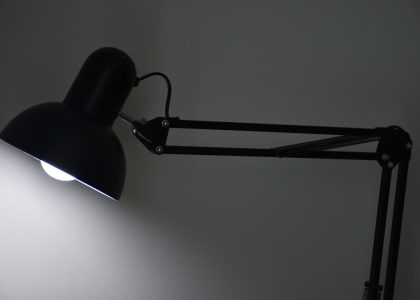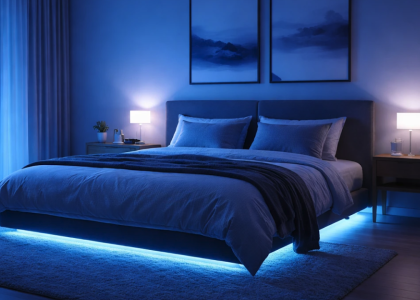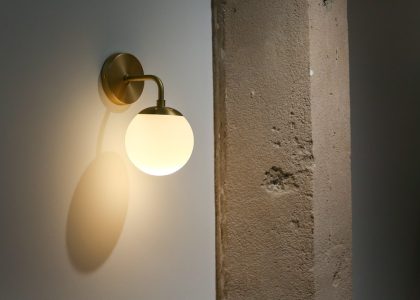

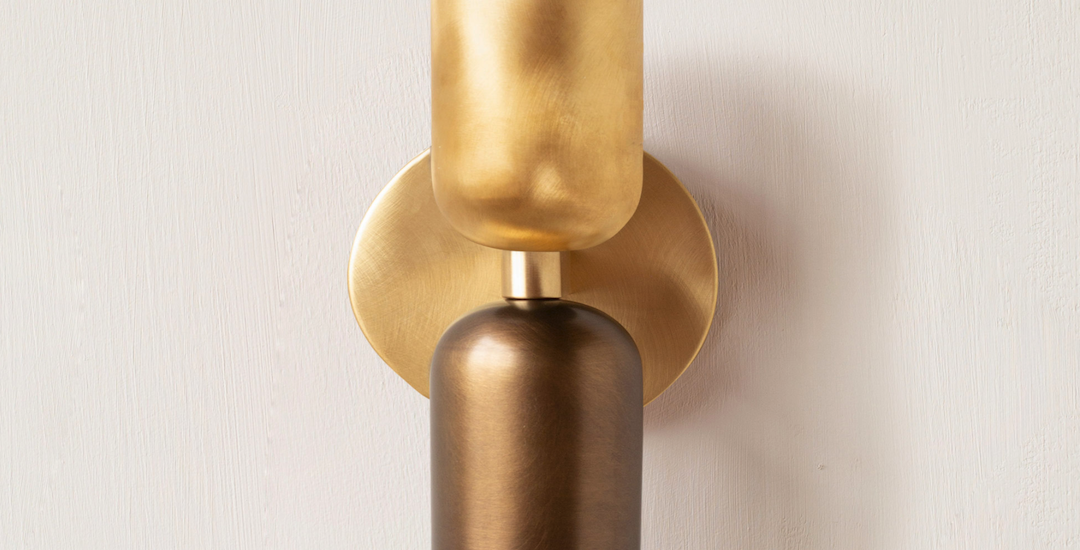
Wall lamps provide significant space-saving advantages compared to floor lamps and ceiling fixtures by mounting directly to walls, eliminating the need for floor space. This characteristic makes them particularly suitable for small rooms, apartments, hallways, bathrooms, and compact reading areas where floor space is limited. Wall lamps offer considerable versatility in lighting applications.
They can be positioned to highlight artwork, architectural elements, or specific room features, creating visual depth and focal points. These fixtures serve multiple lighting functions: ambient lighting for general room illumination, task lighting for specific activities such as reading or working, and accent lighting for mood creation. The adaptability of wall lamps in terms of placement, design, and lighting type makes them valuable components in comprehensive lighting design schemes.
Their ability to provide targeted illumination while preserving floor space contributes to both functional and aesthetic improvements in interior spaces.
Choosing the Right Wall Lamps for Your Space
Selecting the appropriate wall lamps Lamolighting for your space involves considering several factors, including style, size, and functionality. The style of the wall lamp should complement the overall decor of the room. For instance, a sleek, modern sconce with clean lines may be ideal for a contemporary space, while an ornate, vintage-inspired fixture could enhance a more traditional setting.
Additionally, the finish of the lamp—whether it be brass, chrome, or matte black—should harmonize with other elements in the room, such as furniture and hardware. Size is another critical consideration when choosing wall lamps. A large wall lamp can become a focal point in a room, while smaller fixtures may blend seamlessly into the background.
It’s essential to consider the scale of the wall and the height at which the lamp will be installed. A general rule of thumb is to mount wall lamps at eye level for optimal illumination and visual appeal. Moreover, the wattage and type of bulb used in the lamp should align with its intended purpose; brighter bulbs are suitable for task lighting, while softer bulbs create a more relaxed ambiance.
Installing Upper Wall Lamps for Ambient Lighting
Upper wall lamps are particularly effective for creating ambient lighting that fills a room with a warm glow. When installing these fixtures, it’s crucial to consider their placement to ensure even distribution of light throughout the space. Typically mounted between 60 to 72 inches from the floor, upper wall lamps can illuminate walls and ceilings, reflecting light back into the room and creating a soft, inviting atmosphere.
This height also allows for adequate clearance in spaces where people may walk by. To maximize the effectiveness of upper wall lamps, consider using dimmable bulbs or fixtures with adjustable brightness settings. This flexibility allows you to tailor the lighting to suit different activities or moods throughout the day.
For example, during daytime hours, you might prefer brighter light for tasks such as reading or working, while in the evening, a softer glow can create a more relaxing environment. Additionally, pairing upper wall lamps with other light sources—such as table lamps or overhead fixtures—can enhance the overall lighting scheme and provide layers of illumination.
Using Lower Wall Lamps for Task Lighting
Lower wall lamps serve a distinct purpose by providing focused task lighting that can enhance productivity and functionality in various settings. These fixtures are typically installed at a lower height—around 30 to 48 inches from the floor—making them ideal for specific tasks such as reading, writing, or cooking. By directing light where it is needed most, lower wall lamps can significantly improve visibility and reduce eye strain during detailed activities.
When selecting lower wall lamps for task lighting, consider fixtures that offer adjustable arms or shades. This feature allows you to direct light precisely where it is needed, whether it’s over a desk or beside a favorite reading chair. Additionally, choosing bulbs with a higher lumen output can ensure that the light is bright enough for tasks without being harsh or glaring.
In spaces like kitchens or workshops, lower wall lamps can illuminate work surfaces effectively, making them invaluable for both safety and efficiency.
Enhancing Your Space with a Combination of Upper and Lower Wall Lamps
Combining upper and lower wall lamps in a single space can create a dynamic and layered lighting scheme that enhances both functionality and aesthetics. By strategically placing upper wall lamps to provide ambient light while incorporating lower wall lamps for task-oriented illumination, you can achieve a well-balanced environment that caters to various activities and moods. This approach not only improves visibility but also adds depth and interest to your decor.
For example, in a living room setting, upper wall lamps can be used to wash the walls with soft light, creating an inviting atmosphere for social gatherings. Meanwhile, lower wall lamps positioned next to seating areas can provide focused light for reading or other activities. This combination allows for versatility; you can adjust the lighting based on whether you’re entertaining guests or enjoying a quiet evening at home.
Additionally, using fixtures with complementary designs can unify the look of your space while still allowing each lamp to serve its unique purpose.
Creative Ways to Incorporate Wall Lamps into Your Decor
Wall lamps offer endless possibilities for creative incorporation into your decor scheme. Beyond their functional use as sources of light, they can also serve as decorative elements that enhance your interior design. One innovative approach is to use wall lamps as art pieces themselves; selecting uniquely designed fixtures can add character and style to your walls.
For instance, sculptural sconces or vintage-inspired designs can act as conversation starters while providing illumination. Another creative way to incorporate wall lamps is by using them to define spaces within an open floor plan. By strategically placing wall sconces along pathways or near seating areas, you can create visual boundaries that guide movement through the space without the need for physical barriers.
This technique not only enhances functionality but also adds an element of sophistication to your home’s layout. Additionally, consider using dimmable wall lamps in conjunction with smart home technology; this allows you to control lighting levels remotely and customize your environment based on your preferences.
Maintenance and Care for Wall Lamps
Proper maintenance and care are essential for ensuring that your wall lamps remain functional and visually appealing over time. Regular cleaning is crucial; dust and grime can accumulate on both the fixture itself and the bulbs, diminishing their brightness and overall appearance. To clean your wall lamps effectively, turn off the power and allow them to cool before wiping down surfaces with a soft cloth or microfiber towel.
For glass shades or decorative elements, consider using a gentle glass cleaner to maintain clarity without scratching. In addition to cleaning, it’s important to periodically check the electrical components of your wall lamps. Inspect wiring for any signs of wear or damage and replace bulbs as needed to ensure optimal performance.
If you notice flickering lights or other electrical issues, it may be wise to consult a professional electrician to address potential problems safely. By taking these steps, you can prolong the life of your wall lamps and keep them looking their best.
Tips for Maximizing the Effectiveness of Upper and Lower Wall Lamps
To fully harness the potential of upper and lower wall lamps in your home, consider implementing several strategies that enhance their effectiveness. First and foremost, layering your lighting is key; combining different types of fixtures—such as ceiling lights, table lamps, and wall sconces—creates a more dynamic environment that caters to various needs throughout the day. This layered approach allows you to adjust lighting levels based on activities or moods.
Another tip is to utilize smart bulbs or dimmers with your wall lamps. Smart technology enables you to control brightness levels remotely or set schedules for when lights should turn on or off. This not only adds convenience but also allows you to create specific atmospheres tailored to different occasions.
Additionally, consider using warm-toned bulbs in upper wall lamps for ambient lighting to create a cozy atmosphere while opting for cooler-toned bulbs in lower wall lamps for task-oriented areas where clarity is essential. By thoughtfully selecting and positioning both upper and lower wall lamps within your space, you can achieve an inviting ambiance that enhances both functionality and style in your home decor.