
The Bauhaus movement, originating in Germany in the early 20th century, fundamentally reshaped the landscape of design and architecture. Its core tenet was the unification of art and craft, a philosophy that championed functionality, mass production, and a rejection of unnecessary ornamentation. This enduring legacy continues to influence contemporary design, perhaps nowhere more visibly than in the realm of lighting. The “Modern Illumination: Bauhaus-Inspired Disc and Sphere Pendant Light” is a testament to this enduring influence, embodying the principles of simplicity, geometric purity, and practical utility that defined the Bauhaus ideal. This fixture, often characterized by its clean lines and minimal aesthetic, serves as a powerful example of how a design philosophy, born of a specific historical context, can remain relevant and desirable in the modern era.
Historical Context: The Bauhaus Philosophy
To understand the significance of the Bauhaus-inspired disc and sphere pendant light, it is essential to delve into the historical context from which it emerged. The Bauhaus school, founded by Walter Gropius in Weimar in 1919, was a response to the burgeoning industrial age. Its founders believed that design had a crucial role to play in shaping a better society, one that was both aesthetically pleasing and functional for the masses. The movement sought to bridge the gap between artists and artisans, advocating for a collaborative approach to design and production.
Early Bauhaus Principles
The early years of the Bauhaus were marked by a strong emphasis on breaking down traditional artistic barriers and fostering a holistic approach to design education. Students were exposed to a wide range of disciplines, from painting and sculpture to architecture and typography. The overarching goal was to create objects and spaces that were not only beautiful but also practical and accessible. This emphasis on accessibility directly informed the development of designs that could be manufactured efficiently and affordably.
The Influence of Industrialization
The industrial revolution had a profound impact on the Bauhaus. The movement embraced the possibilities offered by mass production techniques and new materials. This was a departure from earlier artistic movements that often favored handcrafted, unique objects. The Bauhaus designers saw industrialization not as a threat to artistic integrity, but as a tool for democratizing good design. This philosophy is deeply embedded in the disc and sphere pendant light, which is designed for efficient production and widespread adoption.
Key Figures and Their Contributions
Several key figures within the Bauhaus movement significantly shaped its trajectory and its lasting impact. Walter Gropius, the founder, envisioned a unified approach to design that would permeate all aspects of life. Ludwig Mies van der Rohe, who later led the school, further refined its architectural principles, emphasizing clarity and structural honesty. Marcel Breuer, known for his innovative furniture designs, explored the potential of industrial materials like bent tubular steel. While no single Bauhaus designer is solely responsible for the disc and sphere pendant light as we know it today, their collective spirit of innovation and functionalism laid the groundwork for its creation. Their work served as a blueprint, a set of guiding principles that designers continue to interpret and apply.
Design Principles of the Disc and Sphere Pendant Light
The Bauhaus-inspired disc and sphere pendant light is a distilled expression of the movement’s core design principles. Its aesthetic appeal stems directly from its adherence to these fundamental concepts, making it more than just a light source; it becomes a statement of design philosophy.
Geometric Purity and Simplicity
At the heart of the disc and sphere pendant lies an unwavering commitment to geometric purity. Shapes are reduced to their essential forms – the perfect circle of the disc, the seamless curve of the sphere. There are no extraneous embellishments, no superfluous details. This minimalist approach is not about emptiness, but about a deliberate focus on the inherent beauty of form itself. Think of a perfectly cut gemstone; its brilliance comes from its precise facets, not from added adornment. The pendant’s design operates on a similar principle, allowing the interplay of light and shadow on its clean surfaces to define its character.
Functionality as a Guiding Force
The Bauhaus ethos of “form follows function” is paramount in this lighting fixture. Its primary purpose is to illuminate a space, and every design element serves this objective. The disc shape often acts as a diffuser, spreading light evenly and reducing glare, while the sphere can project a more focused or ambient glow depending on its material and construction. The materials chosen, such as metal, glass, or acrylic, are selected for their durability, ease of cleaning, and light-transmitting qualities. The suspension mechanism, typically a simple rod or cable, is designed for straightforward installation and adjustment, prioritizing user convenience.
Material Honesty and Industrial Aesthetic
Bauhaus designers championed the use of materials in their unadulterated forms, celebrating their inherent properties rather than attempting to disguise them. The disc and sphere pendant lights often feature materials like polished chrome, brushed aluminum, matte lacquer, or clear and frosted glass. These materials reflect the industrial advancements of the era and contribute to the fixture’s straightforward, unpretentious character. The visual language is one of clarity and transparency, where the material itself speaks to its purpose and origin. This honesty in material selection contributes to the fixture’s timeless appeal, as it doesn’t rely on fleeting trends.
Universality and Mass Appeal
A key goal of the Bauhaus was to create designs that could be appreciated and utilized by a wide audience. The disc and sphere pendant light, with its accessible forms and practical function, embodies this ideal of universality. Its simple geometry and lack of specific cultural or historical ornamentation make it adaptable to a diverse range of interior styles, from minimalist and contemporary to more traditional settings. It’s a visual language that transcends borders and tastes, acting as a common ground for aesthetic appreciation.
The Disc Pendant: A Study in Diffused Light
The disc pendant, as a specific embodiment of Bauhaus principles, offers a distinct approach to illumination, focusing on creating a soft, enveloping atmosphere.
Ambient Illumination and Glare Reduction
The flat, typically circular surface of the disc pendant is engineered to disperse light effectively. When illuminated from within, the disc acts as a large, diffused source, minimizing harsh shadows and reducing direct glare. This makes it ideal for spaces where soft, even lighting is desired, such as dining areas, living rooms, or offices where visual comfort is paramount. The light emanates outwards like a gentle sunrise, bathing the surroundings in a consistent glow.
Material Applications: Opal Glass and Metal
Commonly, disc pendants are crafted from opal glass or frosted acrylic. Opal glass, with its milky translucence, is particularly effective at diffusing light, transforming a potentially harsh bulb into a soft, luminous plane. Metal discs, often with a matte or brushed finish, can also serve as diffusers, directing light downwards or outwards, providing a more controlled lighting effect. The choice of material significantly influences the character of the light, ranging from a warm, inviting diffusion to a more precise, directional beam.
Versatility in Placement and Scale
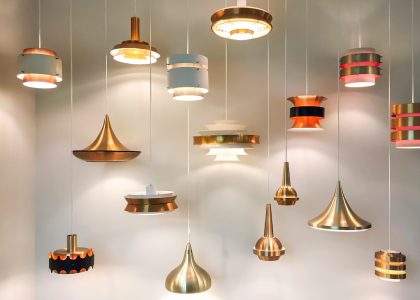
The simple geometric form of the disc pendant allows for remarkable versatility. They can be hung individually as a primary light source or grouped in multiples to create a dramatic visual effect, reminiscent of a constellation of celestial bodies. Their often slender profiles mean they can be incorporated into spaces with varying ceiling heights without appearing overly dominant. This adaptability makes them a practical choice for a wide range of architectural contexts.
The Sphere Pendant: A Globe of Light
In contrast to the disc’s diffused luminescence, the sphere pendant brings a sense of solid form and focused radiance, acting as a singular point of illumination.
Focused Illumination and Statement Piece
The spherical form can be utilized in several ways. Some sphere pendants are designed with open bottoms, projecting a cone of focused light downwards, ideal for task lighting over a table or counter. Others are fully enclosed, with the sphere itself acting as the primary light source, offering a more ambient and decorative glow. Regardless of its specific configuration, the sphere’s inherent symmetry and completeness make it a natural focal point, a miniature sun suspended in space.
Material Variations: Glass, Metal, and Acrylic
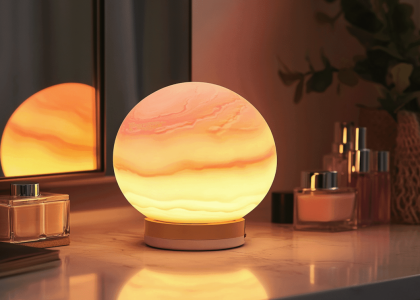
Sphere pendants are commonly found in a variety of materials. Clear glass spheres offer an unobstructed view of the light source, creating a clean, modern aesthetic. Frosted or milk glass spheres provide a softer, more diffused light. Metal spheres, often finished in brushed nickel, brass, or matte black, can offer a more industrial or minimalist feel, with the light often emanating from internal diffusers or directed downwards. Acrylic spheres offer a lightweight and shatter-resistant alternative for certain applications.
Symbolic Resonance and Spatial Impact
The sphere is a fundamental geometric shape, imbued with symbolic meaning across cultures – representing unity, completeness, and the cosmos. In interior design, a sphere pendant can evoke a sense of balance and harmony within a space. Its three-dimensional presence adds depth and visual interest, often serving as a striking statement piece that anchors an area. It’s like a perfectly formed planet, drawing the eye and shaping the perception of the surrounding environment.
Modern Interpretations and Adaptations
While rooted in the historical principles of the Bauhaus, the disc and sphere pendant light has evolved to meet the demands of contemporary living and technological advancements. Designers continue to reinterpret these classic forms, infusing them with new materials, functionalities, and aesthetic sensibilities.
Emerging Materials and Finishes
Beyond the traditional glass and metal, modern disc and sphere pendants are being rendered in an expanding array of materials. Recycled plastics, sustainable wood veneers, and innovative composite materials are being incorporated, reflecting a growing emphasis on environmental consciousness. Finishes have also diversified, moving beyond chrome and matte black to include bold colors, iridescent textures, and intricate patinas, allowing for a more personalized integration into diverse interior palettes.
Integration of Smart Technology
The incorporation of smart technology represents a significant evolution for these seemingly simple fixtures. Many modern iterations now offer dimmable capabilities, color temperature adjustments, and Wi-Fi or Bluetooth connectivity, allowing for seamless integration with smart home systems. This brings a new level of control and customization to the user experience, enabling lighting to be adjusted for mood, activity, or even time of day, all through a smartphone app or voice command.
Scale and Configuration Innovations
The practical application of disc and sphere pendants has also seen considerable innovation in terms of scale and configuration. From delicate, miniature versions suitable for accent lighting to oversized statement pieces that dominate a room, the range of available sizes caters to a broad spectrum of spatial requirements. Furthermore, modular systems allow for the creation of complex, bespoke arrangements, combining multiple discs and spheres in dynamic, sculptural compositions, transforming simple lighting into dynamic art installations. The possibilities for arrangement are as varied as a flock of birds in flight, each unit contributing to a larger, cohesive form.
Conclusion: A Legacy of Light
The Bauhaus-inspired disc and sphere pendant light is more than just a decorative object; it is a tangible representation of a design philosophy that continues to resonate. Its enduring appeal lies in its inherent simplicity, its unwavering focus on functionality, and its timeless geometric forms. As interior design continues to evolve, these fixtures, in their myriad modern interpretations, will undoubtedly remain a cornerstone of thoughtful and impactful illumination, carrying the torch of Bauhaus innovation into the future. They serve as a consistent reminder that true design excellence is often found in the elegant fusion of form and purpose, a principle as relevant today as it was a century ago.