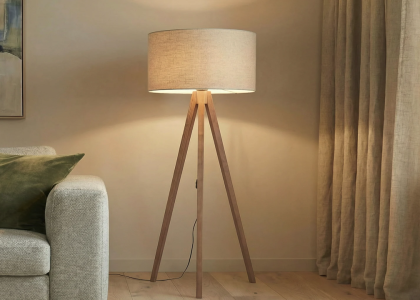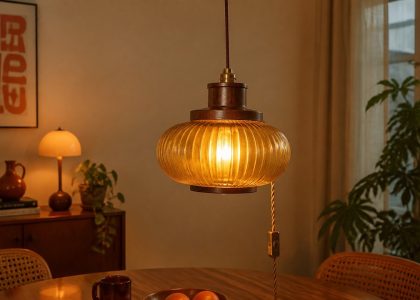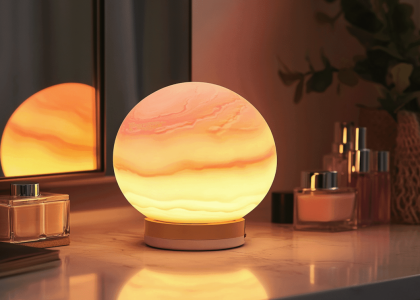

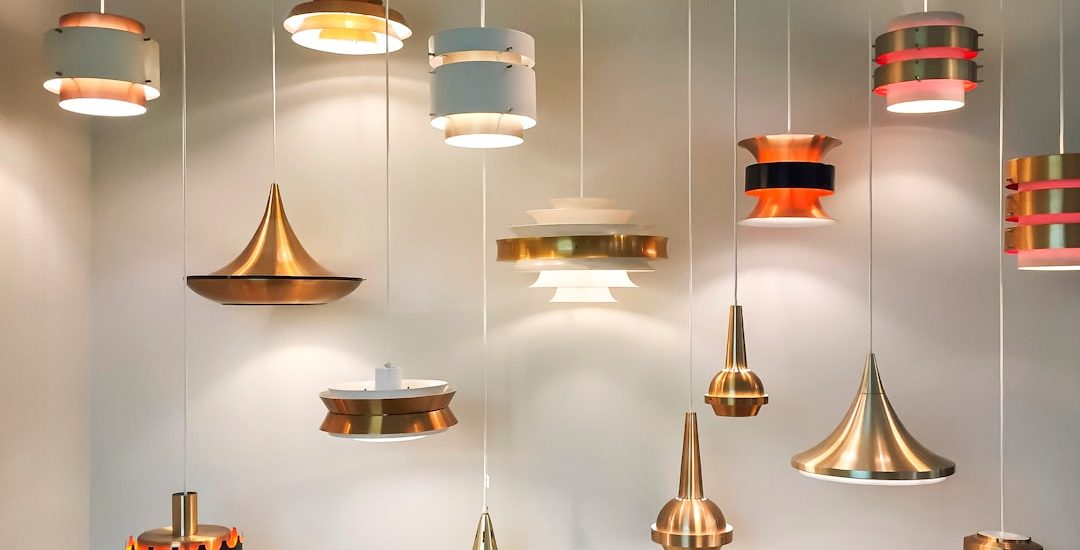
This article discusses the application and characteristics of avant-garde colorful gradient light fixtures as a design element in contemporary interior spaces. These fixtures represent a departure from traditional lighting solutions, focusing on aesthetic impact and atmospheric manipulation through the use of dynamic color transitions.
Avant-garde colorful gradient light Homehubz fixtures are a recent development in interior design, offering a novel way to imbue spaces with color and dynamism. Unlike static, single-color lighting, these fixtures produce a seamless transition between multiple hues, creating a visual experience that can significantly alter the mood and perception of a room. The “avant-garde” designation suggests a forward-thinking, experimental approach to design, pushing the boundaries of conventional lighting aesthetics. The “colorful gradient” aspect refers to the smooth blending of different colors, often achieved through sophisticated LED technology. This approach moves beyond simple illumination, positioning the light fixture as a sculptural and atmospheric element in its own right.
Definition and Key Characteristics
A colorful gradient light fixture is defined by its ability to emit light that changes color along a spectrum, rather than a uniform output. This transition is not abrupt but gradual, creating a flowing effect akin to a sunset or a painter’s palette. The fixtures can be designed in various forms, from minimalist geometric shapes to more elaborate, sculptural installations.
Technological Underpinnings
The realization of these fixtures is largely dependent on advancements in light-emitting diode (LED) technology. LEDs offer considerable control over color output, allowing for precise mixing and blending of primary colors (red, green, and blue) to create a vast array of secondary and tertiary hues. DMX (Digital Multiplex) controllers or integrated software often manage the gradient sequences, enabling users to select pre-programmed patterns or create custom color transitions.
Aesthetic Impact
The primary function of these fixtures extends beyond mere illumination. They serve as a focal point, a piece of dynamic art that transforms a static space. The gradient effect can evoke specific emotions or moods. For instance, cool blues and greens might foster a sense of calm and tranquility, while warmer reds and oranges can create a more energetic and inviting atmosphere.
Historical Context and Evolution
While dynamic lighting has existed for decades, particularly in theatrical and entertainment settings, its integration into residential and commercial interiors as a primary design element is a more recent phenomenon. Early forms of color-changing lights often relied on less sophisticated technologies, such as colored filters or less precise bulb types, which resulted in less fluid transitions.
Early Forays into Colored Lighting
Incandescent bulbs with colored gels were a common method for introducing color in earlier lighting designs. This approach, however, limited the palette and the smoothness of color transitions. The advent of fluorescent lighting offered some color options, but generally not the continuous gradient effects seen today.
The Rise of LED and Digital Control
The widespread adoption of LEDs and the development of sophisticated digital control systems have been instrumental in the evolution of gradient lighting. These technologies allow for an unprecedented level of color precision and control over the speed and pattern of color changes, paving the way for the avant-garde applications now emerging.
Design and Form Factors
Avant-garde colorful gradient light fixtures are not confined to traditional lamp shapes. Their design often prioritizes visual impact and integration with the surrounding architecture.
Contemporary Sculptural Designs
Many of these fixtures are conceived as sculptural pieces. They can take the form of abstract shapes, flowing curves, or geometric arrangements that interact with light to create evolving patterns on walls and ceilings. The fixture itself becomes a significant element of the interior’s aesthetic, even when illuminated.
Minimalist Aesthetics
Simplicity in form often enhances the impact of the gradient light. Fixtures with clean lines and unobtrusive profiles draw attention to the color transitions rather than the fixture’s bulk.
Organic and Fluid Shapes
Some designs mimic natural forms, such as flowing water or organic growth. These shapes can create a more immersive and biophilic atmosphere, softening the edges of the built environment.
Integration into Architecture
Beyond standalone fixtures, gradient lighting is increasingly integrated directly into architectural elements. This approach blurs the lines between illumination and structure, making light an intrinsic part of the building’s design.
Cove Lighting and Recessed Applications
LED strips capable of producing gradients can be hidden within coves or recesses in walls and ceilings. This creates a diffused, ambient wash of color that appears to emanate from the architecture itself.
Feature Walls and Architectural Accents
Specific architectural features, such as textured walls or columns, can be illuminated with gradient lighting to highlight their form and texture, turning them into dynamic visual displays.
Applications and Atmospheric Potential
The appeal of these fixtures lies in their versatility and their capacity to shape the mood of a space. They can transform ordinary environments into something extraordinary.
Residential Interiors
In homes, these fixtures can be used to create diverse atmospheres. A living room might feature a gradient that shifts from soft blues to warm oranges during an evening gathering, or a bedroom could utilize slow-moving gradients to promote relaxation.
Creating Ambiance and Mood
The color palette of a room can be fundamentally altered by the light it receives. A vibrant gradient can energize a space, while a subtle, slow transition can induce a sense of calm.
Functional Zones and Accent Lighting
Gradient lighting can be strategically employed to define different zones within an open-plan living area or to highlight specific decorative elements, such as artwork or plants.
Commercial and Hospitality Spaces
Businesses can leverage gradient lighting to enhance brand identity, create engaging customer experiences, or set a distinct tone for different areas.
Retail Environments
In retail settings, dynamic lighting can draw attention to merchandise, create themed displays, and influence customer perception of products. A clothing store, for instance, might use gradients to showcase how garments appear under different lighting conditions.
Restaurants and Bars
The hospitality industry often uses lighting to create a welcoming or exciting atmosphere. Gradient fixtures can be employed to transition a space from a bright, daytime café to a dimly lit, intimate dining venue as the evening progresses.
Public Spaces and Event Venues
These fixtures are also effective in lobbies, event halls, and other public areas where a dynamic visual presence is desired. They can be programmed to reflect the theme of an event or to create a memorable first impression.
Technical Aspects and Control Systems
Understanding the technical underpinnings of these fixtures is crucial for appreciating their capabilities and for realizing their full design potential.
LED Technology and Color Mixing
The foundation of any gradient light fixture is its LED system. High-quality LEDs with a broad color spectrum are essential for achieving smooth, nuanced transitions.
RGB and RGBW Configurations
Most gradient fixtures utilize RGB (Red, Green, Blue) LEDs. By precisely controlling the intensity of each of these primary colors, a wide spectrum of secondary and tertiary colors can be produced. RGBW (Red, Green, Blue, White) adds a dedicated white LED, which can improve the quality of white light and enhance color rendering.
Color Gamut and CRI
The color gamut refers to the range of colors a light source can produce. A wider color gamut allows for more vibrant and accurate hues. Color Rendering Index (CRI) measures how accurately a light source reveals the true colors of objects compared to a natural light source. For aesthetic applications, a reasonably high CRI is often desirable.
Control and Programmability
The ability to control the color, intensity, and pattern of the gradient is what truly unlocks the potential of these fixtures.
DMX Control
Digital Multiplex (DMX) is a standard communication protocol used for controlling lighting and effects in entertainment venues. DMX controllers offer granular control over individual lights or groups of lights, allowing for complex programmed sequences, including gradient transitions.
Smart Home Integration
Many modern gradient fixtures are designed to be integrated with smart home systems. This allows users to control the lighting through smartphone apps, voice commands, or automated schedules, linking lighting preferences to other smart devices.
Pre-set Scenes and Dynamic Effects
Fixtures often come with a library of pre-set color scenes and dynamic effects, such as slow fades, pulsing lights, or simulated movement. Users can select these directly or use them as a starting point for customization.
Considerations for Installation and Maintenance
While visually striking, installing and maintaining these advanced lighting systems requires a thoughtful approach.
Electrical and Structural Requirements
Depending on the complexity and size of the fixture, professional electrical installation may be necessary to ensure proper wiring and power supply. The weight and mounting requirements of some sculptural pieces will also necessitate an assessment of the supporting structure.
Power Consumption and Efficiency
LED technology is generally energy-efficient. However, the power consumption of complex gradient fixtures, especially those covering large areas or operating at high brightness, should be factored into the overall energy budget of a space.
Integration with Building Systems
For architectural integration, close collaboration with architects and electrical engineers is crucial to ensure seamless integration with existing building systems and to meet safety codes.
Maintenance and Longevity
The longevity of LED components is a significant advantage, but maintenance considerations are still relevant.
Cleaning and Dust Accumulation
Like any light fixture, dust and grime can accumulate, affecting light output and aesthetics. Regular, gentle cleaning will be necessary. The specific materials of the fixture will dictate the appropriate cleaning methods.
Component Lifespan and Replacement
While LEDs have a long lifespan, specific components such as power supplies or control boards may eventually require replacement. Ensuring the availability of spare parts and the ability to access internal components is important for long-term usability.
Designing for Longevity and Adaptability
When selecting and installing these fixtures, consider their potential for future changes in technology or design preferences.
Modular Designs
Fixtures with modular components might offer greater flexibility for upgrades or repairs, extending the usable life of the installation.
Programmability for Future Needs
The ability to easily reprogram color sequences or to update software can ensure the fixture remains relevant and adaptable to evolving aesthetic or functional requirements.
In conclusion, avant-garde colorful gradient light fixtures represent a significant evolution in interior illumination. They are not merely sources of light but dynamic design elements capable of transforming spaces. Their successful implementation relies on an understanding of their technological sophistication, aesthetic potential, and practical installation requirements, allowing for the creation of environments that are both visually captivating and atmospherically responsive.