
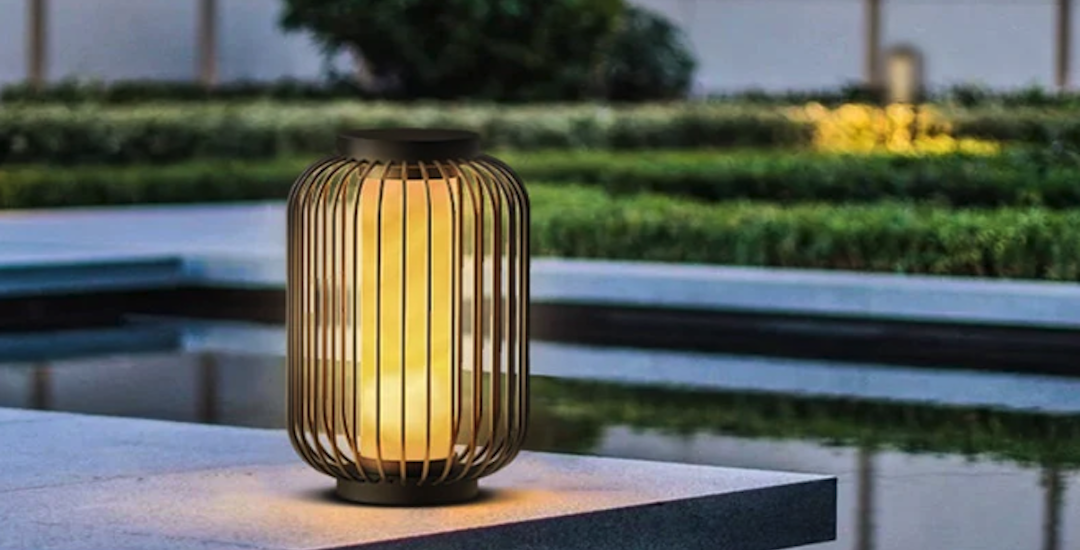
Metal cage lanterns offer a distinctive approach to illuminating outdoor seating areas. Their construction, often featuring an exposed bulb encased within a geometric or decorative metal frame, provides a functional light source while simultaneously serving as a visual element. Unlike traditional outdoor lighting fixtures that may blend into the background, cage lanterns command a certain presence, their metallic structure casting interesting shadows and patterns as the light filters through. This article explores the practical and aesthetic considerations of using metal cage lanterns to enhance backyard seating, covering their history, types, placement, maintenance, and the overall impact they can have on an outdoor living space.
The concept of portable light sources encased in protective structures has a long and varied history. Early forms of lanterns were crucial for navigation, illumination in dark interiors, and festive occasions.
Early Forms of Illumination
Before the widespread adoption of electricity, sources of light were often primitive and required protection from the elements. Candles, oil lamps, and later gas lamps Yeebu were common. These early devices often utilized a metal frame to hold the fuel source and a translucent material, such as horn, parchment, or glass, to shield the flame and direct its light.
The Function of the Cage
The “cage” aspect of early lanterns served a dual purpose. Firstly, it provided structural integrity for the light source, preventing it from tipping over or being easily damaged. Secondly, it offered a degree of protection from wind and rain, essential for maintaining the flame outdoors. This fundamental design principle – encasing a light source within a protective frame – forms the conceptual basis for modern metal cage lanterns.
Evolution of Decorative Lighting
As societies progressed and lighting technology advanced, lanterns transitioned from purely functional objects to also incorporate decorative elements. During the Victorian era, for instance, ornate lanterns were used to illuminate streets and public spaces, often featuring intricate metalwork and colored glass.
Influence of Industrial Design
The rise of industrial manufacturing in the 19th and 20th centuries had a significant impact on lighting design. Mass-produced lanterns, often made from iron, brass, or steel, became more accessible. The aesthetic of industrial design, with its emphasis on exposed mechanisms and robust materials, found its way into the development of cage lanterns. This era saw the emergence of designs that prioritized the metallic structure as a key visual component.
Modern Adaptations for Outdoor Spaces
The advent of reliable and weather-resistant electrical lighting enabled the adaptation of traditional lantern forms for outdoor use. Garden fixtures, patio lights, and porch lamps began to incorporate styles reminiscent of older lanterns, including the cage design. This allowed for the integration of decorative lighting that could withstand outdoor conditions while offering a distinct visual appeal.
Types of Metal Cage Lanterns
Metal cage lanterns are available in a wide array of styles, materials, and sizes, each contributing to a unique atmosphere. The choice of lantern can significantly influence the overall aesthetic of the outdoor seating area.
Material Considerations
The metal used in the construction of cage lanterns plays a crucial role in their durability, appearance, and cost. Each material offers distinct characteristics.
Wrought Iron
Wrought iron is a traditional choice for outdoor fixtures. Its inherent strength and malleability allow for intricate designs and a classic, albeit sometimes heavier, aesthetic. Wrought iron lanterns can develop a patina over time, adding to their character. However, it requires proper sealing and maintenance to prevent rust.
Steel (Stainless Steel and Powder-Coated Steel)
Stainless steel offers excellent resistance to corrosion and weathering, making it a durable option for outdoor environments. Its modern appearance can complement contemporary outdoor designs. Powder-coated steel provides a protective and decorative finish, available in a range of colors. This coating can help guard against rust and chipping.
Aluminum
Aluminum is a lightweight and rust-resistant metal, making it a practical choice for outdoor lanterns. It can be cast or extruded into various shapes and is often finished with protective coatings to enhance its durability and appearance. Its light weight also makes installation and repositioning simpler.
Brass and Copper
Brass and copper are prized for their warm, metallic tones and their ability to develop a beautiful patina with age. While they can be more expensive, they offer a rich aesthetic that can elevate the sophistication of an outdoor setting. These metals are generally resistant to corrosion but can tarnish.
Design Styles
The “cage” itself can take on numerous forms, from simple geometric shapes to elaborate filigree. These designs can significantly alter the perceived style of the lantern and the ambiance it creates.
Geometric Designs
Lanterns with simple geometric cages, such as squares, rectangles, or hexagons, often convey a modern or industrial aesthetic. These designs can be stark and minimalist, allowing the light source to be the primary focal point. The clean lines of these structures can provide a sense of order to an outdoor space.
Industrial and Rustic Styles
Lanterns with more robust, open-caged designs, often with visible rivets or a distressed finish, lean towards industrial or rustic aesthetics. These can evoke a sense of age and authenticity, fitting well with environments that incorporate reclaimed materials or have a decidedly country feel. The rougher textures can contribute to a grounded and unpretentious atmosphere.
Ornate and Decorative Styles
Some cage lanterns feature intricate scrollwork, floral motifs, or other decorative elements within their metal frames. These can add a touch of elegance and sophistication, particularly suited for more formal or traditional outdoor settings. The detailed metalwork draws the eye and adds a layer of visual richness.
Size and Scale
The dimensions of the lanterns should be proportionate to the seating area and the surrounding landscape. A lantern that is too small can be lost in a large space, while one that is too large can dominate the area and feel out of place.
Small Accent Lanterns
Smaller lanterns can be used in multiples to create a layered lighting effect. They are ideal for placing on side tables, within planters, or hanging from low branches to provide intimate pools of light. These act as punctuation marks in the visual landscape of the seating area.
Medium-Sized Fixtures
Medium-sized lanterns can serve as primary light sources for smaller seating arrangements or as secondary lighting in larger areas. They are versatile and can often be hung or placed on surfaces. Their balanced proportion makes them a common and effective choice.
Large Statement Lanterns
Larger lanterns can be used as focal points in expansive seating areas or to illuminate significant gathering spots. Their size demands attention and can significantly shape the mood of the space. When used effectively, they can act as anchors within the outdoor design.
Placement Strategies for Optimal Illumination
The strategic placement of metal cage lanterns is paramount to achieving both functional illumination and desired aesthetic effects in your backyard seating area.
Delineating Seating Zones
Lanterns can be used to visually define the boundaries of your outdoor seating spaces. Positioning them along the perimeter of a patio, deck, or conversational grouping can help create a sense of enclosure and intimacy.
Creating an Invitation
As a soft beacon, a well-placed lantern can beckon guests towards the seating area, suggesting a welcoming and comfortable space for gathering. This acts as a visual cue, drawing attention to the intended destination.
Enhancing Flow
By strategically placing lanterns along pathways leading to or within the seating area, you can guide movement and improve the perceived flow of the space. This is particularly useful in larger or irregularly shaped backyards.
Ambient vs. Task Lighting
Consider the primary function of the light. Do you need general mood lighting, or specific light for activities like reading or dining? This will influence where and how intensely you illuminate.
Soft Ambiance
For creating a relaxed and inviting atmosphere, place lanterns at a lower height or use lower wattage bulbs to cast a gentle, diffused light. This type of illumination creates a cozy and intimate environment, like the embers of a campfire.
Functional Illumination
If tasks like reading, playing games, or serving food are common, place lanterns higher or in a way that directs light onto the functional surfaces. Consider directing light towards tables or chairs where these activities will take place.
Layering Light Sources
Combining different types and heights of lanterns, along with other light sources, can create a dynamic and visually interesting illumination scheme. This mimics the natural variations in light seen outdoors at dusk and dawn.
Ground-Level Illumination
Placing lanterns on the ground, within planters, or on low ledges can provide a warm glow that emphasizes textures in paving and landscaping. This low-lying light can define edges and create a sense of depth.
Mid-Level Illumination
Lanterns hung at eye level or placed on tabletops provide direct light to the seating area, suitable for conversation and general visibility. This level of light is often the most directly functional for social interaction.
Overhead Ambiance
Hanging lanterns from trees, pergolas, or structures creates a canopy of light, adding a sense of wonder and drawing attention upwards. This can make the space feel more expansive and enchanting, like stars appearing in the night sky.
Safety and Accessibility
Ensure that lantern placement does not create tripping hazards or obstruct pathways. Consider the power source and cable management for electrical lanterns.
Avoiding Obstructions
Position lanterns where they are unlikely to be bumped or knocked over by people or pets. Avoid placing them directly in high-traffic walkways.
Securing Electrical Cords
For lanterns powered by electricity, invest in weather-resistant outdoor extension cords and employ cord covers or channels to prevent them from becoming a hazard. Like hidden roots beneath the soil, these cords need to be managed discreetly.
Complementing Your Outdoor Decor
Metal cage lanterns are not merely functional objects; they are also decorative elements that can enhance the overall aesthetic of your backyard seating area. Their visual impact can tie together various design elements.
Style Harmony
The style of your chosen lanterns should align with the existing decor of your backyard and home. A modern lantern might not suit a rustic garden, and vice-versa.
Modern and Minimalist Spaces
In contemporary settings, clean-lined geometric cage lanterns in materials like stainless steel or black powder-coated aluminum can reinforce the minimalist aesthetic. Their sharp edges can echo the clean lines of modern furniture and architecture.
Traditional and Classic Gardens
For more traditional gardens, wrought iron or brass lanterns with slightly more elaborate designs can complement classic landscaping and architectural features. These can imbue the space with a sense of timeless elegance.
Rustic and Bohemian Vibes
Lanterns with a distressed finish, an antique look, or made from natural materials can fit well in rustic or bohemian-inspired outdoor spaces. These can add a touch of collected charm and eclecticism.
Material Integration
The metals used in your lanterns can echo or contrast with other materials present in your outdoor space, such as metal furniture, planters, or architectural details.
Metal Accents
If your outdoor furniture features metal components, selecting lanterns with a similar metal finish can create a cohesive look. This repetition of material acts as a visual thread connecting different elements.
Contrasting Textures
Alternatively, contrasting the metallic sheen of the lanterns with natural materials like wood, stone, or greenery can create visual interest and depth. This interplay between hard and soft, smooth and rough, adds dynamism.
Creating a Focal Point
A particularly striking or well-placed metal cage lantern can act as a focal point, drawing the eye and adding a decorative anchor to the seating area.
Dramatic Shadows
The open framework of cage lanterns can cast interesting shadow patterns on walls, floors, and surrounding foliage. This dynamic interplay of light and shadow adds a layer of visual intrigue, like fleeting artwork created by nature.
The Glow of Warmth
The warm, inviting light emitted by the bulbs within the cages contributes significantly to the ambiance. This glow can make the seating area feel more welcoming and intimate, like a comforting embrace.
Maintenance and Durability
To ensure that your metal cage lanterns continue to illuminate and enhance your backyard seating for years to come, regular maintenance is essential. The durability of these fixtures depends on both the material and the care they receive.
Cleaning and Care
The frequency and method of cleaning will depend on the materials used and the environmental conditions.
Regular Dusting and Wiping
For most lanterns, a simple dusting with a soft cloth or a gentle wipe-down with a damp cloth is sufficient for routine cleaning. This prevents the buildup of dirt and grime that can dull the finish.
Addressing Corrosion and Tarnish
For metal types prone to corrosion, such as wrought iron or brass, occasional touching up of protective coatings or the use of specific metal polishes may be necessary. This proactive approach guards against premature degradation.
Bulb Replacement
Ensure you use appropriate outdoor-rated bulbs. When replacing bulbs, ensure the fixture is cool to the touch and if it’s an electrical fixture, ensure the power is switched off at the source.
Weather Protection
Outdoor lanterns are exposed to the elements, and protecting them from harsh weather is crucial for their longevity.
Seasonal Storage
In regions with extreme winter weather or prolonged periods of heavy rain, consider storing your lanterns indoors during the off-season. This offers an additional layer of protection for more delicate or less robust materials.
Protective Coatings
Many outdoor lanterns come with weather-resistant finishes. Inspect these finishes periodically and reapply or touch up as needed to maintain their protective qualities. Think of this as giving the lantern a fresh shield against the elements.
Ensuring Electrical Safety (for Electric Lanterns)
If your cage lanterns are powered by electricity, safety should be a top priority.
Checking Wiring and Connections
Periodically inspect the wiring for any signs of damage, fraying, or corrosion. Ensure all connections are secure and weatherproof. Like checking the reins of a horse before a ride, this ensures safe operation.
Ground Fault Circuit Interrupters (GFCIs)
Ensure that any outdoor electrical outlets used for your lanterns are protected by GFCIs. These devices can quickly cut power in the event of a fault, preventing electric shock. This serves as an essential safety net.
Enhancing the Backyard Experience
The presence of well-chosen and strategically placed metal cage lanterns can elevate a backyard seating area from a functional space to an inviting outdoor sanctuary. They contribute to an atmosphere that encourages relaxation, social interaction, and a deeper connection with the outdoor environment.
Creating Ambiance and Mood
The quality of light emitted by lanterns significantly influences the mood of an outdoor space.
Intimacy and Warmth
The soft, diffused glow of lanterns can create an intimate and warm atmosphere, making the seating area feel more cozy and inviting. This contrasts with the harsher, more direct light of overhead lamps, promoting a sense of ease.
Romance and Enchantment
With their decorative designs and the patterns of light they cast, metal cage lanterns can lend an air of romance and enchantment to an evening in the backyard. They can transform a familiar space into something more magical.
Promoting Extended Use of Outdoor Spaces
Adequate and appealing lighting encourages people to spend more time outdoors, extending the usability of the backyard beyond daylight hours.
Evening Gatherings
Illuminated seating areas become ideal spots for evening gatherings, allowing conversations and relaxation to continue long after sunset. The lanterns act as silent hosts, keeping the welcome alive.
Quiet Reflection
The gentle glow can also provide a tranquil setting for quiet reflection or enjoying a book on a cool evening. The subdued light creates a personal haven.
Adding a Decorative Touch
Beyond their functional role, metal cage lanterns serve as distinct decorative elements that contribute to the overall aesthetic appeal of the backyard.
Visual Interest
The unique designs of cage lanterns, with their interplay of metal and light, add visual interest and personality to the outdoor environment. They are like sculptures that also serve a purpose.
Completing the Design Scheme
When chosen thoughtfully, lanterns can tie together the various elements of your outdoor decor, from furniture to landscaping, creating a cohesive and polished look. They act as the finishing brushstrokes on a canvas. The integration of metal cage lanterns into an outdoor seating area offers a practical and aesthetically pleasing solution for illumination, transforming ordinary spaces into inviting and atmospheric retreats.