
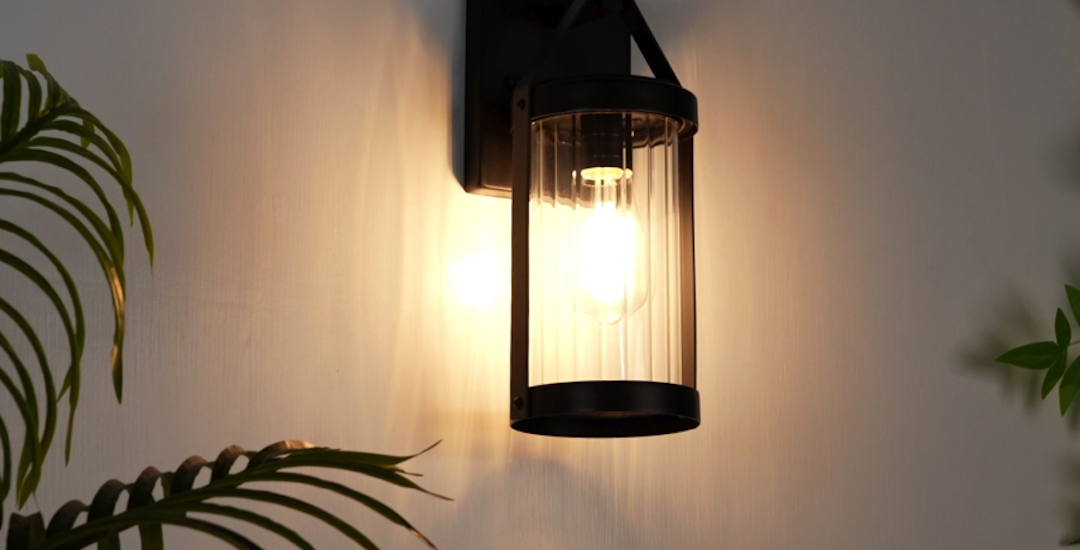
Coastal environments present unique challenges for exterior lighting. The combination of salt-laden air, high humidity, and often intense ultraviolet (UV) radiation accelerates material degradation, necessitating specialized fixtures. Weather-resistant wall sconces designed for coastal applications are engineered to withstand these corrosive elements, providing illumination and contributing to the aesthetic and safety of a property. This article explores the characteristics, materials, and considerations involved in selecting and maintaining these specialized lighting solutions.
Coastal regions are defined by their proximity to the sea, a defining factor in the aggressive atmospheric conditions prevalent there. The presence of dissolved salts in seawater, primarily sodium chloride, creates a highly corrosive atmosphere. When this salt becomes airborne, carried by sea spray and wind, it deposits onto surfaces, including exterior light Xyzlightings fixtures.
Salt Spray and Its Effects
Salt spray acts as an electrolyte, promoting electrochemical reactions that accelerate the oxidation of many metals. This process, commonly known as rusting in ferrous metals, can quickly degrade unprotected luminaires. For non-ferrous metals, salt can lead to pitting, discoloration, and structural weakening.
- Oxidation: The primary mechanism of corrosion. Salt acts as a catalyst.
- Pitting: Localized corrosion that creates small holes or depressions in the material, compromising its integrity.
- Discoloration: Aesthetic degradation that can also indicate surface material breakdown.
- Structural Weakening: Severe corrosion can compromise the physical structure of the fixture, leading to failure.
Humidity and UV Radiation
Beyond salt, high humidity levels contribute to material breakdown by facilitating moisture ingress into electrical components and promoting fungal growth on surfaces. Constant exposure to UV radiation from the sun can degrade plastics, paints, and protective coatings, causing them to become brittle, crack, and lose their color. This combination of factors acts as a triple threat to standard exterior lighting, rendering it unsuitable for long-term use in coastal settings.
- Moisture Ingress: Leads to electrical malfunctions and short circuits.
- Fungal Growth: Can damage surfaces and obscure light output.
- UV Degradation: Breaks down organic materials, such as plastics and paints.
Materials for Coastal Durability
The selection of appropriate materials is paramount for coastal exterior lighting. Manufacturers employ a range of metals, plastics, and finishes that exhibit enhanced resistance to corrosion and environmental degradation.
Non-Ferrous Metals
Metals that do not contain iron are generally preferred due to their inherent resistance to rusting.
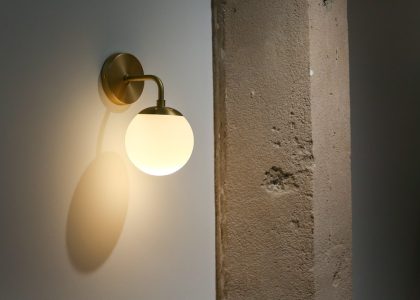
- Solid Brass: A popular choice for coastal lighting. Brass is an alloy of copper and zinc. It does not rust but undergoes a natural oxidization process, forming a protective patina over time. This patina, typically dark brown or greenish-brown, acts as a barrier against further corrosion. Solid brass fixtures often come in unlacquered or aged finishes.
- Unlacquered Brass: Develops a natural patina. Requires occasional cleaning to remove surface deposits.
- Aged Brass: Chemically treated to accelerate the patination process, providing an immediate aged appearance.
- Maintenance: Occasional washing with fresh water can extend the life of the finish. Some users prefer to let the patina develop naturally.
- Copper: Similar to brass, copper is highly resistant to saltwater corrosion. It also develops a distinctive green or blue-green patina over time, which provides a protective layer. Copper is often chosen for its aesthetic appeal and longevity.
- Natural Patina: The distinct green patina is a hallmark of genuine copper in coastal environments.
- Structural Integrity: Copper maintains its structural integrity even as its surface patinates.
- 316L Marine Grade Stainless Steel: While stainless steel contains iron, specific grades are formulated for enhanced corrosion resistance. 316L stainless steel has a higher molybdenum content than standard 304 stainless steel, which significantly improves its resistance to pitting corrosion in chloride environments. “L” denotes low carbon content, reducing susceptibility to sensitization during welding.
- Molybdenum Content: Crucial for resisting chloride-induced pitting.
- Passivation Layer: Stainless steel forms a passive chromium oxide layer that protects against corrosion. Damage to this layer, however, can lead to localized corrosion if not properly maintained.
- Maintenance: Even 316L stainless steel can exhibit “tea staining” (surface rust) in severe coastal conditions if not regularly cleaned. Frequent freshwater rinsing is essential.
Durable Coatings and Finishes
Even inherently resistant materials benefit from robust coatings. For materials like aluminum, which can corrode in salty environments, high-quality finishes are essential.
- Powder Coating: A common and effective finish. Powder coating involves applying dry powder paint electrostatically, then curing it under heat to form a hard, durable layer. Multiple layers, often with a primer, offer superior protection against chipping, scratching, and corrosion. This effectively creates an impenetrable shield against the elements, serving as the first line of defense.
- Primer Layer: Enhances adhesion and provides initial corrosion protection.
- Top Coat: Provides color, UV resistance, and a durable finish.
- Anodized Aluminum: Aluminum is prone to oxidation in salt-laden air. Anodization is an electrochemical process that thickens the natural oxide layer on the surface of aluminum, making it harder, more corrosion-resistant, and aesthetically appealing. While an improvement over raw aluminum, even anodized aluminum requires careful specification for coastal use, often with additional protective layers.
- Increased Hardness: The anodized layer is harder than the base aluminum.
- Corrosion Resistance: Improves aluminum’s resistance to general corrosion, but can still be challenged by direct salt spray over time.
Reinforced Plastics and Composites
Modern engineering has produced plastics and composite materials that are inherently resistant to corrosion and UV degradation.
- Polycarbonate: A high-impact, UV-stabilized thermoplastic often used for diffusers and lenses. It resists yellowing and cracking, maintaining light transmission over time.
- Impact Resistance: Highly durable against physical impact.
- UV Stabilization: Treated to prevent degradation from sun exposure.
- High-Density Polyethylene (HDPE) and PVC: Used for housing and structural components in some designs. These materials are completely immune to rust and highly resistant to chemical degradation.
- Chemical Inertness: Not affected by salt or cleaning agents.
- Lightweight: Easier to install than heavier metal fixtures.
Design and Construction for Weather Resistance
Beyond materials, the physical design and construction methods of coastal wall sconces are critical for their longevity and performance. The goal is to create a sealed environment that prevents the ingress of moisture, salt, and dust into the electrical components.
Gasketing and Sealing
The most vulnerable points in any exterior fixture are seams and openings. High-quality gaskets are essential to create a watertight seal.
- EPDM Rubber Gaskets: Ethylene Propylene Diene Monomer (EPDM) rubber is highly resistant to weathering, ozone, and UV radiation, making it an ideal material for sealing applications. These gaskets prevent water and salt mist from penetrating the fixture’s internal components.
- UV and Ozone Resistance: Maintains flexibility and sealing properties over time.
- Compression Set Resistance: Gaskets retain their shape and sealing effectiveness even after prolonged compression.
- Silicone Seals: Often used around lenses and wire entry points. Silicone is highly flexible and resistant to extreme temperatures and UV radiation.
- Temperature Stability: Performs well in both high and low temperatures.
- Water Repellency: Naturally repels water.
Integrated Drainage Systems
Some advanced designs incorporate internal drainage channels or weep holes. These are subtle features that allow any condensation or minor water ingress to escape without accumulating and damaging electrical components. This foresight is like a hidden safety valve for minor breaches.
Wiring and Electrical Components
The internal electrical components are particularly susceptible to corrosion.
- Marine-Grade Wiring: Features tin-plated copper conductors to resist corrosion. Insulation is often thicker and more robust.
- Sealed Connections: Electrical connections should be sealed with waterproof heat shrink tubing or outdoor-rated gel-filled connectors to prevent moisture ingress.
- Integrated Drivers (LED): For LED fixtures, drivers should be potted or otherwise sealed to protect them from moisture and humidity.
IP and UL Ratings: Understanding the Standards
To objectively assess a fixture’s weather resistance, two key ratings are consulted: Ingress Protection (IP) ratings and Underwriters Laboratories (UL) ratings.
Ingress Protection (IP) Rating
The IP rating system, defined by international standard IEC 60529, classifies and rates the degree of protection provided by mechanical casings and electrical enclosures against intrusion from solid objects (dust, dirt, etc.) and water. An IP rating consists of two digits:
- First Digit (Solids): Ranges from 0 (no protection) to 6 (dust-tight). For coastal environments, a rating of 6 is generally recommended for the highest dust and particle protection.
- Second Digit (Liquids): Ranges from 0 (no protection) to 9K (high-pressure, high-temperature jet wash). For wall sconces exposed to direct rain and spray, a minimum rating of IP44 provides protection against splashes from any direction. However, for direct exposure to sea spray, an IP65 or IP66 rating is often preferred, indicating protection against powerful water jets. An IP67 rating signifies protection against immersion up to 1 meter.
- IP44: Protected against solid objects over 1mm and splashing water from any direction. Suitable for sheltered outdoor areas.
- IP65: Dust-tight and protected against water jets from any direction. Good for exposed areas.
- IP66: Dust-tight and protected against powerful water jets. Ideal for highly exposed coastal locations.
- IP67: Dust-tight and protected against temporary immersion in water. Provides an extra layer of security.
Underwriters Laboratories (UL) Listings
UL is a global safety certification company. For exterior lighting, fixtures will typically carry a “Wet Location” or “Damp Location” listing.
- UL Listed for Wet Location: This certification means the fixture can withstand direct exposure to rain, snow, and other forms of moisture without compromising electrical safety. This is the minimum requirement for truly exposed coastal wall sconces.
- UL Listed for Damp Location: Indicates suitability for areas that are subject to condensation or indirect moisture, such as covered porches, but not direct precipitation. This is generally insufficient for unprotected coastal exposure.
Always confirm that a fixture is UL Listed for Wet Locations when selecting for coastal environments. This certification acts as a quality control stamp, indicating the product has met rigorous safety standards for its intended use.
Installation and Maintenance Practices
Even the most robust coastal wall sconce will perform optimally only with correct installation and regular maintenance. These practices are as crucial as the hardware itself in ensuring longevity.
Proper Installation
Incorrect installation can negate the benefits of a well-designed fixture.
- Electrical Code Compliance: All wiring and connections must adhere to local electrical codes.
- Sealing at the Junction Box: The mounting surface and the junction box must be properly sealed to prevent water ingress into the building structure. Use outdoor-rated caulk or gaskets around the fixture base where it meets the wall. This creates a secondary barrier, a line drawn in the sand against moisture.
- Avoid Damaging Coatings: Care should be taken during installation not to scratch or damage protective coatings, as this can create entry points for corrosion.
Routine Maintenance
Regular cleaning is not merely aesthetic; it is a critical protective measure.
- Frequent Freshwater Rinsing: This is the single most important maintenance step for coastal lighting. Salt deposits act as corrosive agents, and rinsing them off with fresh water, ideally weekly or bi-weekly depending on exposure, dramatically extends the life of the fixture. This simple act washes away the corrosive tide that constantly attacks the fixture.
- Gentle Cleaning: Use a soft cloth and mild soap (if needed) for cleaning. Avoid abrasive cleaners or harsh chemicals that can strip protective coatings or damage finishes.
- Inspection: Periodically inspect the fixture for any signs of corrosion, cracked seals, or loose wiring. Address issues promptly to prevent further damage.
- Re-sealing: Over time, caulk and gaskets can degrade. Reapply caulk or replace gaskets as needed to maintain a watertight seal.
Aesthetic Considerations and Integration
While functionality takes precedence in coastal lighting, aesthetics are also important. Coastal wall sconces are available in a variety of styles to complement different architectural designs.
Style and Finish
- Nautical/Marine: Often featuring cage designs, bulkhead lights, or clear seeded glass, reminiscent of ship lighting. Finishes usually include aged brass, copper, or dark bronze.
- Modern/Minimalist: Clean lines, geometric shapes, and finishes like brushed stainless steel or powder-coated aluminum in neutral tones.
- Traditional/Transitional: Incorporates elements from classic designs, perhaps with decorative flourishes, in finishes such as weathered bronze or black.
The finish should not only withstand the elements but also harmonize with the building’s exterior and the surrounding landscape. A weathered brass sconce might blend seamlessly with a shingle-style home, whereas a sleek stainless steel fixture could complement a contemporary design. The finish can be seen as the fixture’s outward expression, which must withstand the elements without losing its essence.
Light Output and Distribution
Consider the purpose of the lighting.
- Task Lighting: For illuminating pathways or entryways, a downward-facing sconce or one with focused light output might be appropriate.
- Ambient Lighting: Up-and-down lights or fixtures with diffused light can create a softer, more inviting glow while eliminating harsh shadows.
- Dark Sky Compliance: In sensitive environmental areas, select fixtures that minimize light pollution by directing light downwards and shielding upward light spill.
Coastal exterior lighting, particularly wall sconces, requires a deliberate approach to material selection, design, and ongoing care. By understanding the corrosive forces at play and prioritizing fixtures engineered to withstand them, property owners can ensure beautiful, functional, and long-lasting illumination for their coastal homes and establishments.