
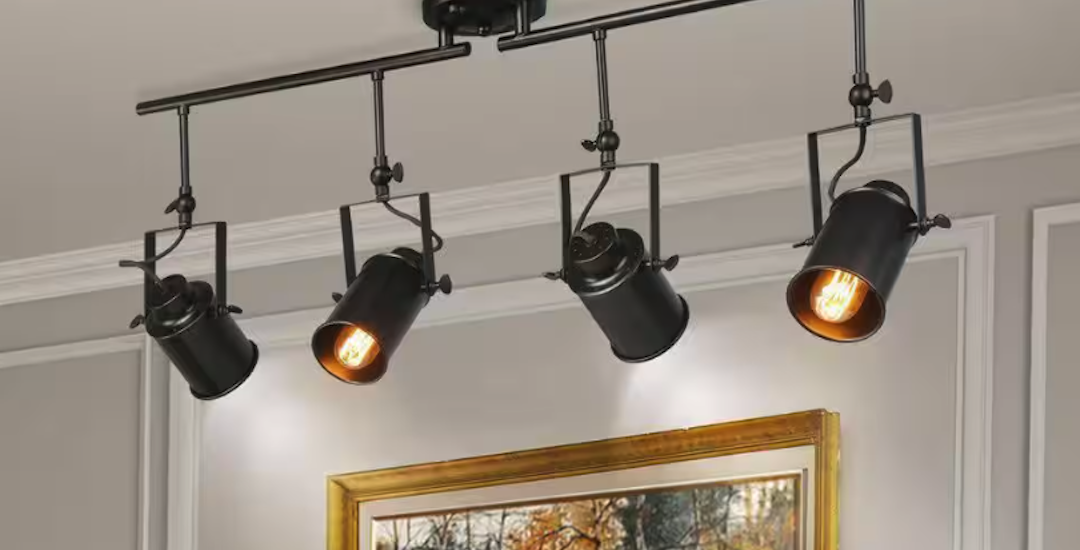
Adjustable black track lighting offers a versatile and modern solution for illuminating art galleries. Its design allows for precise beam direction, enabling curators and owners to highlight specific pieces or entire collections with focused light. The black finish provides a discreet aesthetic, allowing the artwork to remain the primary visual element, rather than drawing attention to the fixtures themselves. This article will explore the practical applications and benefits of employing adjustable black track lighting in gallery settings.
Track lighting, at its core, is a system of conductive tracks onto which adjustable light Annasonic fixtures, or “heads,” are mounted. These heads can be moved along the track and often swiveled and tilted to direct light precisely where needed. The “adjustable” aspect is key for gallery use, as it provides the flexibility to adapt to changing exhibitions or highlight different features within a single piece of art.
Components of a Track Lighting System
Track lighting systems are composed of several fundamental elements:
- The Track: This is the physical conduit containing electrical conductors. Tracks come in various lengths and configurations, including straight runs, L-shapes, T-shapes, and even cross connectors, allowing for complex layouts that can navigate walls and ceilings. The track acts as the artery feeding power to the lights.
- Track Connectors: These accessories facilitate the joining of multiple track sections, enabling the creation of elaborate lighting designs. They ensure continuous electrical flow throughout the entire system.
- Power Feed/Connector: This is where the system connects to the building’s electrical supply. It can be a rigid connector or a flexible whip, depending on the installation requirements. Without this, the system remains inert.
- Track Heads (Fixtures): These are the individual lamps that attach to the track. In an adjustable track lighting system, these heads are designed with joints that permit rotation and tilting. This is where the magic of directed illumination truly resides.
- Accessories: Various accessories can be employed, such as canopy covers to conceal wiring where the track starts, dead-end caps to finish a run, and sometimes suspension kits for installing track systems away from the ceiling.
Types of Track Systems
While the fundamental principle remains the same, different types of track lighting systems exist, each with its own characteristics:
- Monopoint vs. Multipoint: Monopoint systems use a single power source for a single track head. Multipoint systems, more common in galleries, use a single track connected to a power feed that supports multiple adjustable heads. The latter is the focus here due to its inherent scalability. The gallery is a stage, and multipoint track lighting allows for a dynamic interplay of light and shadow.
- Low-Voltage vs. Line-Voltage: Line-voltage systems operate directly from mains voltage (e.g., 120V or 240V). Low-voltage systems (typically 12V) require a transformer, often integrated into the track head or a separate unit. Low-voltage systems can offer finer control and often use lower-wattage bulbs for accent lighting.
- H-Type, J-Type, and L-Type Tracks: These designations refer to the physical shape of the connectors and the internal wiring of the track. H-type is the most common and widely compatible.
The Benefits of Adjustable Black Track Lighting in Galleries
The adjustable nature of black track lighting makes it a powerful tool for enhancing the presentation of artwork. Its ability to be precisely aimed ensures that each piece receives the appropriate illumination, maximizing its visual impact and detail.
Highlighting Artwork Effectively
The primary advantage of adjustable track lighting is its capacity for targeted illumination. Instead of flooding a space with ambient light, track lighting allows for the creation of “pools of light” that draw the viewer’s eye directly to the artwork.
- Accent Lighting: This involves using a narrow beam to focus on a specific area of a painting or sculpture, creating a dramatic effect and emphasizing texture, color, and form. Imagine a spotlight on a stage, but for art.
- Task Lighting: While less common for general gallery illumination, track lighting can be used to provide focused light on display labels or information panels, ensuring readability without distracting from the art.
- Washing Walls with Light: Wider beam angles can be used to wash entire walls or sections of the gallery with light, providing more general illumination for larger installations or when subtle ambient light is desired.
Versatility and Flexibility
The ability to reconfigure and reposition track heads provides unparalleled flexibility. This is crucial in gallery environments where exhibitions change frequently.
- Adapting to New Exhibitions: As new artworks are installed, track heads can be easily moved and repositioned to suit their specific lighting requirements. This eliminates the need for complex rewiring or installation of new fixtures for each show. The system becomes a chameleon, adapting to the changing needs of the space.
- Adjusting for Different Art Media: Different art forms—such as oil paintings, watercolors, sculptures, or digital installations—may have unique lighting needs. Track lighting can be adjusted to accommodate these differences, controlling glare from reflective surfaces or ensuring even illumination on three-dimensional objects.
- Creating Dynamic Lighting Schemes: Curators can experiment with different lighting angles and intensities to create varied moods and visual experiences within the gallery. This allows for the creation of narrative through light, guiding the viewer’s journey through the exhibition.
Aesthetically Discreet
The black finish of track lighting contributes to a minimalist and unobtrusive aesthetic, allowing the artwork to be the focal point.
- Minimizing Visual Clutter: Unlike bulky pendant lights or fixed wall sconces, black track lighting tends to blend into the surroundings, particularly in galleries with darker ceilings or walls. This allows the art to breathe and command attention without competing visual elements.
- Complementing Modern Design: The sleek lines and functional design of track lighting align well with contemporary gallery interiors, contributing to an overall modern and sophisticated atmosphere. It’s the shy but effective assistant, ensuring the star performer (the art) shines brightly.
Technical Considerations for Gallery Lighting
Beyond aesthetics and flexibility, several technical aspects are critical when selecting and installing adjustable black track lighting for a gallery. These considerations directly impact the preservation of artwork and the viewing experience.
Light Source and Color Temperature
The choice of light source and its color temperature are paramount for accurate color rendition and artwork longevity.
- LED Technology: Modern LED track lighting offers significant advantages. LEDs are energy-efficient, have a long lifespan, and produce very little heat, which is crucial for protecting sensitive artworks from UV and heat damage. The “little heat” characteristic is like a gentle whisper compared to the harsh glare of older technologies.
- Color Rendering Index (CRI): CRI measures how accurately a light source reveals the true colors of objects. For galleries, a high CRI is essential, ideally 90 or above, to ensure that paintings and other colorful artworks are displayed as the artist intended. A low CRI can make colors appear dull or distorted.
- Color Temperature (Kelvin): Color temperature, measured in Kelvin (K), describes the warmth or coolness of the light. For galleries, a neutral to slightly warm white light (typically 2700K to 4000K) is often preferred. Very cool lights can make colors appear sterile, while very warm lights can alter the perception of certain hues. Finding the right Kelvin is like tuning a radio to the perfect station for accurate sound.
Beam Angle and Intensity Control
The adjustable nature of the track heads allows for control over the beam angle and intensity of the light.
- Beam Angle: Track heads are available with various beam angles (e.g., narrow spot, spot, flood, wide flood). Choosing the appropriate beam angle is crucial for effectively illuminating different sizes of artworks and for controlling light spill. A narrow beam is like a precision scalpel, while a wider beam is more akin to a comforting blanket of light.
- Dimming Capabilities: The ability to dim track lighting allows for fine-tuning the intensity of light on individual pieces. This is important for managing light levels in different areas of the gallery, preventing over-illumination, and creating subtle variations in mood. Dimming is the artist’s palette for light intensity.
Glare and Light Reflectance
Minimizing glare on artwork surfaces is a critical factor in ensuring a positive viewing experience and preventing damage.
- Baffle and Shielding: Many track heads incorporate baffles or shields to reduce direct glare and control light spill. These elements help to direct the light precisely onto the artwork and away from the viewer’s direct line of sight.
- Angle of Incidence: The angle at which light strikes a surface can significantly influence glare. Adjustable track lighting allows for experimentation with different angles to find the optimal position that minimizes reflections from glossy surfaces or textured materials. This is a delicate dance between light and surface.
Installation and Maintenance of Black Track Lighting
Proper installation and regular maintenance are essential for the optimal performance and longevity of adjustable black track lighting systems in a gallery.
Installation Process
While a professional electrician should always perform the initial electrical connection, understanding the basic installation process can be beneficial.
- Planning the Layout: Before installation, a detailed plan should be developed, considering the placement of artworks, the gallery layout, and the desired lighting effects. This involves mapping out the track runs and the positioning of track heads.
- Mounting the Track: Tracks are typically mounted directly to the ceiling or suspended from it. Secure mounting is crucial to ensure the system’s stability and safety. The track becomes the skeleton upon which the lighting is built.
- Connecting Power: The power feed connects the track to the building’s electrical supply. This is a critical step that requires professional expertise.
- Attaching Track Heads: Track heads simply clip onto the track, allowing for easy attachment and removal.
Maintenance Procedures
Regular maintenance ensures that the lighting system continues to function effectively and safely.
- Cleaning Fixtures and Tracks: Dust and debris can accumulate on track heads and tracks, affecting light output and potentially causing overheating. Regular dusting or wiping with a soft cloth is recommended.
- Checking Connections: Periodically, it is advisable to ensure that track heads are securely attached to the track and that all connections appear sound.
- Replacing Bulbs (if applicable): For systems using non-integrated LED sources, bulbs will eventually need replacement. Following the manufacturer’s instructions for bulb replacement is important.
- Professional Inspection: For larger or more complex systems, periodic inspections by a qualified electrician can identify potential issues before they become significant problems.
Aesthetic Integration and Design Principles
The choice of black track lighting is not solely a technical one; it also carries significant aesthetic implications for the gallery space. The color and form of the lighting can either enhance or detract from the overall design.
The Subtlety of Black
The deliberate choice of black for track lighting is a design decision rooted in discretion.
- Camouflage and Integration: Black fixtures tend to recede against darker backgrounds, such as black ceilings often found in contemporary galleries. This visual blending allows the artwork to be the undisputed hero of the space. It’s the effect of stagehands in black, virtually unseen to the audience, ensuring the actors remain in the spotlight.
- Contrast and Definition: In lighter-colored spaces, black track lighting can provide a subtle yet defined linear element, adding a graphic quality to the ceiling architecture without being overtly ornamental.
- Focus on Form: By minimizing their own visual presence, black fixtures allow the forms and colors of the artwork to take center stage, enabling a more direct and unadulterated connection between the viewer and the art.
Balancing Illumination and Atmosphere
Adjustable track lighting allows for a nuanced balance between functional illumination and the creation of a specific atmosphere.
- Creating Moods: By adjusting the intensity and direction of light, different moods can be evoked. Dramatic spotlighting can create a sense of intrigue and tension, while broader washes of light can foster a more relaxed and contemplative environment.
- Guiding the Viewer: The placement and focus of light can subtly guide the viewer’s path through the gallery, drawing attention to key pieces or directing them towards specific areas of interest. Light becomes a silent curator, orchestrating the visitor’s experience.
- Avoiding Over-Lighting: Unlike systems that cast a uniform, high-intensity light across the entire space, adjustable track lighting allows for precise control, preventing overworked areas and ensuring that light levels are appropriate for each piece. This is akin to a chef seasoning a dish precisely, rather than dumping the entire salt shaker in.
Future Trends and Innovations
The field of lighting technology is continuously evolving, and this progress extends to track lighting systems. Anticipating these trends can help galleries make informed decisions for their future lighting needs.
Smart Lighting Integration
The integration of “smart” technologies is transforming lighting control.
- Wireless Control and Automation: Future systems will likely feature enhanced wireless control, allowing for remote adjustment of intensity, color temperature, and even dynamic lighting scenes via smartphones or tablets. This offers unprecedented control and responsiveness.
- DALI and Other Protocols: Industry-standard protocols like DALI (Digital Addressable Lighting Interface) are becoming more prevalent, enabling sophisticated integration with building management systems for automated scheduling, energy monitoring, and complex scene creation. This allows the lighting to become a conscious participant in the gallery’s operation.
- Predictive Lighting: Advanced systems may even incorporate sensors to detect visitor presence and adjust lighting levels accordingly, optimizing both the viewing experience and energy efficiency.
Sustainability and Energy Efficiency
The drive towards sustainability is influencing fixture design and technology.
- Even More Efficient LEDs: Continued advancements in LED efficacy will lead to fixtures that produce more light with less energy consumption.
- Integrated Power and Data: Future track systems might integrate power and data transmission more seamlessly, simplifying installation and reducing the need for separate cabling.
- Extended Lifespan and Reduced Waste: Focus will remain on developing fixtures with exceptionally long lifespans, minimizing the environmental impact of replacements.
Advanced Optics and Control
Innovations in optical design are enhancing the precision and quality of light.
- Sharper Beams and Reduced Spill: New lens and reflector technologies will offer even tighter beam control, minimizing unwanted light spill and maximizing the impact on the artwork.
- Tunable White and Advanced Color Mixing: Beyond standard color temperatures, systems capable of subtle shifts in white light (tunable white) and even advanced RGBW (Red, Green, Blue, White) mixing could offer designers greater creative freedom to match ambient light conditions or highlight specific chromatic qualities of artwork. This opens up a new spectrum of possibilities for artistic expression through light.
In conclusion, adjustable black track lighting provides a sophisticated and adaptable solution for illuminating art galleries. Its ability to precisely highlight individual pieces, its discreet aesthetic, and its technical versatility make it a valuable asset for any institution dedicated to showcasing art effectively and preserving it for future generations. The thoughtful application of this technology can transform a gallery space from a mere room into a dynamic environment where art is not just displayed but experienced in its fullest glory.