
So, you’re thinking about a rustic beam ceiling light for your country kitchen? That’s a great idea! It’s more than just a light fixture; it’s a cornerstone of that cozy, welcoming vibe we all love about country kitchens. These lights essentially combine the visual appeal of exposed beams with the practical need for good illumination, creating a focal point that feels both authentic and functional.
If you’ve been wondering if it’s the right choice, or how to even go about selecting one, you’ve come to the right place. We’re going to break down exactly why a rustic beam ceiling light Annasonic can be such a game-changer for a country kitchen, what to consider when shopping, and some popular styles you might encounter. It’s all about adding that character and warmth that makes a kitchen the heart of the home.
Country kitchens are all about warmth, comfort, and a connection to tradition. Rustic beam ceiling lights tap directly into this aesthetic, adding a significant layer of charm and character that manufactured, modern fixtures often lack. They bring a sense of history and authenticity, making the kitchen feel more lived-in and inviting.
The Visual Impact: More Than Just Light
The primary draw of a rustic beam ceiling light is its striking visual presence. It’s not just about shedding light; it’s about transforming the entire feel of the space.
Adding Architectural Interest
Many country kitchens aim for a look that feels established, a bit timeless. Exposed beams, whether real or faux, instantly suggest a sturdier, more traditional build. A light fixture designed to mimic or integrate with this look reinforces that sense of architectural depth and substance. It can make a plain ceiling feel significantly more dynamic and interesting, even before you turn the lights on.
Creating a Cozy Atmosphere
The materials and design inherent to rustic lighting – often dark wood, wrought iron, or distressed metals – lend themselves to a feeling of coziness. This isn’t the stark, bright light of a modern kitchen. Instead, it’s often a warmer, more diffused glow that encourages lingering, cooking together, and relaxing. It’s a subtle but powerful way to influence the mood of your kitchen.
The Functional Advantages
While the aesthetic is key, these lights are also designed to be practical. They’re engineered to provide sufficient illumination for kitchen tasks while maintaining their rustic charm.
Strategic Lighting Placement
Many rustic beam lights are designed to spread light effectively across a larger area, which is crucial for a kitchen. The typically longer design of a beam light can illuminate both prep areas and dining spaces within an open-plan kitchen. This dual functionality is a huge plus in making the kitchen a versatile hub.
Durability and Longevity
The materials often used in rustic beam lights, like solid wood and heavy-duty metal, tend to be very durable. This isn’t a flimsy fixture that’s going to break easily. They’re built to last, contributing to the overall sense of a well-established, functional space. For a busy country kitchen, this durability is a significant practical advantage.
Key Considerations When Choosing a Rustic Beam Ceiling Light
Picking out the perfect light isn’t just about the style; it’s about making sure it fits your kitchen’s unique needs and your personal taste. There are a few things to keep in mind to ensure you get a fixture that looks great and functions perfectly.
Material Matters
The materials used in rustic beam lights are what give them their distinct character. Think about how these materials will interact with your existing decor and what kind of durability you need.
Wood: The Classic Choice
Wood is perhaps the most quintessential material for rustic beam lights. You’ll find options crafted from solid wood, reclaimed wood, or even high-quality wood composites designed to mimic natural grains.
- Solid Wood: Offers a substantial, authentic feel. It can be stained in various shades to match your cabinetry or other wooden elements. Be mindful of moisture in a kitchen environment; some finishes are better suited than others.
- Reclaimed Wood: Brings a unique history and character. Each piece can have its own story, visible in its knots, imperfections, and color variations. This adds an unparalleled layer of authenticity.
- Wood Composites: A more budget-friendly option that can still achieve a convincing rustic look. These are often engineered for better resistance to humidity and temperature changes, which can be a benefit in a kitchen.
Metal Accents: Strength and Style
Metal is often used for the actual light sockets, mounting hardware, and decorative elements. The type and finish of the metal can significantly alter the light’s overall feel.
- Wrought Iron: A classic for a rustic look, wrought iron has a hand-forged appearance that’s both strong and elegant. It often comes in black or dark bronze finishes.
- Aged Bronze/Brass: These finishes offer a warmer, more antique feel than polished metals. They can add a touch of subtle elegance without being overly flashy.
- Brushed Nickel/Steel: While less traditionally “rustic,” a brushed finish can sometimes be incorporated into more transitional rustic designs, offering a slightly more contemporary edge while still avoiding high gleam.
Size and Scale: Finding the Right Fit
The size of your light fixture needs to be proportional to your kitchen. A light that’s too big can overwhelm the space, while one that’s too small can get lost.
Ceiling Height Integration
Your ceiling height is a major factor. For lower ceilings, you’ll want a more flush-mounted or shorter pendant-style beam light. For high ceilings, a longer, more dramatic beam can be a real showstopper.
- Lower Ceilings: Opt for fixtures where the “beam” is more of a decorative element and the lights hang below, or a shallower fixture profile. Avoid things that hang too low and create a visual barrier.
- Higher Ceilings: These can accommodate more substantial fixtures. Consider a beam that spans a good portion of the ceiling or one with multiple light sources that hang at varying, but still appropriate, heights.
Kitchen Layout and Span
Consider the layout of your kitchen. Is it a long, narrow kitchen, or is it more square? Do you want the beam to span across an island, or directly over a dining table?
- Island Lighting: The beam is often centered over an island, providing task lighting and creating a focal point. The length of the beam should complement the length of your island.
- Dining Nook/Table Lighting: If you have a dedicated dining area within your kitchen, a beam light can be hung centrally above the table, defining the space and setting a warm ambiance for meals.
- General Ceiling Illumination: Some beam lights are designed to be mounted on the ceiling and provide more general ambient light throughout the kitchen. These are often shorter but still carry the rustic aesthetic.
Type of Illumination: Ambiance vs. Task
Think about what you use your kitchen for most often. Do you need bright, focused light for prepping, or is a softer, more ambient glow your priority?
Bulb Type and Wattage
The type of bulbs you use will heavily influence the light’s quality.
- Edison Bulbs: These are almost synonymous with rustic and industrial lighting. Their warm, low-Kelvin output creates a vintage, cozy glow, perfect for ambiance. They aren’t typically the brightest, so they’re best paired with other light sources if you need strong task lighting.
- LED Alternatives: Many fixtures now accommodate LED bulbs, which can offer the Edison look with improved energy efficiency and sometimes better brightness options. Look for “warm white” LEDs (around 2700K) for a similar cozy effect.
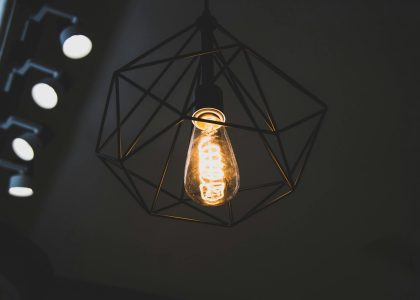
- Shade Style: The design of the shades (or lack thereof, in some open-socket designs) will also affect light distribution. Caged lights, for instance, can cast interesting shadows, while open bulbs cast light in all directions.
Installation and Electrical Considerations
Don’t forget the practicalities of installation. You’ll need to ensure the fixture can be safely and securely mounted and that your existing electrical setup can handle it.
Weight and Mounting Support
Heavy fixtures, especially those made of solid wood and metal, require sturdy mounting.
- Joist Access: Ideally, the fixture will be mounted directly into ceiling joists for maximum support. If this isn’t possible, a robust junction box rated for the fixture’s weight is essential.
- Professional Installation: For complex or heavy fixtures, it’s always a good idea to consult or hire a qualified electrician to ensure safe and proper installation. Some fixtures might require modifications to your ceiling structure, which a professional can assess and handle.
Wiring and Dimmer Compatibility
Consider how the light will be controlled.
- Dimmers: For maximum flexibility in setting the mood, a dimmer switch is highly recommended. This allows you to adjust the brightness for different times of day and activities. Ensure the fixture and bulbs are dimmer-compatible.
- Existing Wiring: Check if your current wiring can accommodate the new fixture’s requirements. If you’re upgrading from a simpler light, you might need to adjust wiring or add new circuits, especially for larger or more powerful fixtures.
Popular Styles of Rustic Beam Ceiling Lights
When you start browsing, you’ll notice a few recurring themes and styles that define rustic beam ceiling lights. Understanding these can help you narrow down your search and find something that truly speaks to your kitchen’s aesthetic.
The Traditional Beam with Pendant Lights
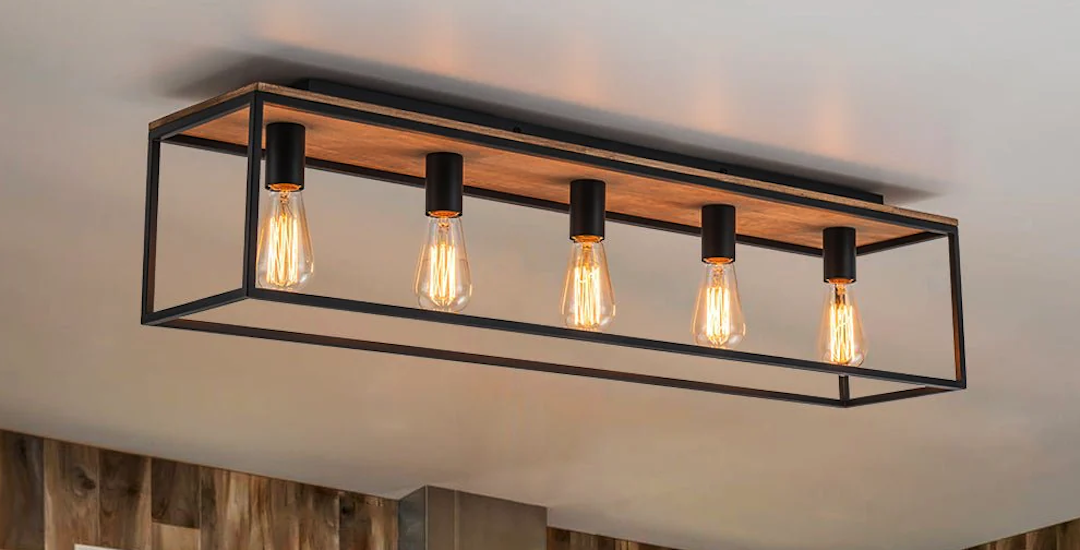
This is often what people picture when they think of rustic beam lighting. It features a central beam element, usually made of wood, from which individual pendant lights hang. The pendants themselves can vary greatly in style.
Variations in Pendant Design
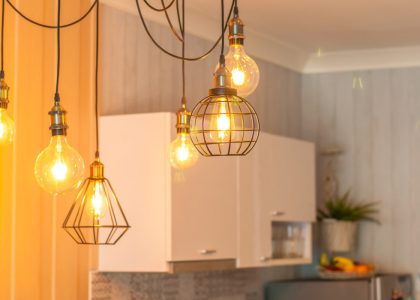
- Lantern-Style Pendants: These often mimic the look of old-fashioned lanterns, maybe with seeded glass or decorative metalwork. They evoke a colonial or early American feel, perfect for a deeply traditional country kitchen.
- Mason Jar Pendants: A very popular choice for a farmhouse or shabby-chic rustic look. The glass jars create a unique, charming diffusion of light.
- Simple Bare Bulbs: Sometimes, the beauty is in the simplicity. A wooden beam with a series of exposed Edison bulbs hanging at staggered heights can be incredibly impactful and modern-rustic.
- Metal Cone/Bowl Shades: These can add a touch of industrial-rustic. The metal shades direct light downwards, making them excellent for task lighting over islands.
Beam Material and Finish
- Dark Stained Wood: The most common choice, offering a classic, rich look.
- Whitewashed or Distressed Wood: For a lighter, more farmhouse or coastal rustic feel. It can make the space feel brighter.
- Faux Wood Beams: These can be incredibly realistic and are often lighter and more resistant to moisture, making them a practical option for kitchens.
The “Barn Light” Inspired Beam
This style takes inspiration from classic barn lighting, often featuring exposed metal elements and a slightly more utilitarian, yet still charming, aesthetic.
Heavy-Duty Metalwork
- Cast Iron or Steel: These materials lend a strong, robust feel. You’ll often see dark, matte finishes like black or foundry grey.
- Angular Shapes: The design might feature more angular lines and sturdy hardware compared to softer, rounded styles. This gives it a more industrial-chic edge while staying within the rustic confines.
Integrated Lamp Heads
Instead of hanging pendants, this style might have individual lamp heads integrated directly into or beneath the beam structure.
- Adjustable Arms: Some fixtures have articulated arms on the lamp heads, allowing you to direct light precisely where you need it.
- Enclosed Fixtures: The lamp heads might be fully enclosed in metal or glass housings for a more coordinated look.
The All-In-One Beam Fixture
Some designs merge the beam and the light source into a single unit, where the structure itself is the primary design element, with lights incorporated within its form.
Integrated LED Strips
- Hidden Lighting: The light source might be recessed into the beam, providing a soft, upward or downward illumination without visible bulbs or fixtures. This offers a very clean, modern rustic look.
- Modern Farmhouse: This blend of contemporary design with rustic materials is a growing trend.
Sculptural Wood Designs
- Carved or Shaped Beams: The beam itself might be designed with decorative elements or a unique shape that incorporates the lighting.
- Minimalist Approach: For those who want the rustic texture of wood but a less cluttered look, these fixtures provide a streamlined solution.
Integrating Rustic Beam Lights with Your Country Kitchen Decor
Once you’ve chosen your rustic beam ceiling light, the next step is making sure it blends seamlessly with your existing country kitchen style. It’s about creating a cohesive look that feels intentional and inviting.
Complementing Cabinetry and Countertops
The materials and colors of your cabinets and countertops play a huge role in how your light fixture will look.
Wood Tones
If your cabinets are painted, say, a classic white or sage green, a dark stained wood beam light will provide a beautiful contrast and a grounding element. If you have natural wood cabinetry, try to match or complement the wood tone of the beam for a harmonious look.
- Dark Stained Cabinets: A lighter, whitewashed, or distressed wood beam can add visual interest without making the whole kitchen too dark.
- Light or White Cabinets: Almost any wood tone on the beam will work, but a dark, rich stain will provide a strong focal point.
Countertop Materials
- Butcher Block: A natural wood countertop pairs exceptionally well with a wooden beam light, creating a very organic, cohesive feel.
- Granite/Quartz: If you have stone countertops, consider the color. A beam with metal accents that echo the flecks or undertones in your stone can tie everything together nicely. For example, bronze accents could complement a granite with warm brown tones.
Enhancing Other Rustic Elements
Your country kitchen likely has other features that contribute to its rustic charm. The beam light should enhance these, not compete with them.
Wall Treatments and Backsplashes
- Shiplap or Beadboard: These classic country wall treatments harmonize beautifully with wooden beams. A light fixture with exposed wood and iron elements would fit perfectly.
- Tile Backsplashes: If you have a patterned tile backsplash, ensure the light fixture’s style doesn’t overpower it. A simpler beam with perhaps caged or lantern-style pendants might be best.
Flooring
- Wood Floors: A classic choice. The beam light’s wood tone can either complement or provide a subtle contrast to your flooring.
- Tile or Stone Floors: These offer a more neutral base, allowing the beam light to take center stage.
Balancing with Other Finishes and Hardware
Don’t forget the smaller details! The hardware on your cabinets, the faucet, and even decorative accents all contribute to the overall look.
Metal Finishes
If your faucet and cabinet hardware are brushed nickel, for instance, incorporating a rustic beam light with subtle brushed metal accents can create a cohesive look. Conversely, mixing a wrought iron beam with polished chrome hardware might feel too disjointed unless handled carefully.
Color Palette
Keep the overall color palette of your kitchen in mind. A rustic beam light often brings in deeper, warmer tones. Ensure these complement your existing color scheme – whether it’s earthy neutrals, soft pastels, or bolder country hues.
Maintenance and Longevity of Rustic Beam Ceiling Lights
You’ve invested in a beautiful, character-filled fixture. Taking care of it will ensure it remains a highlight of your kitchen for years to come. Rustic materials, while durable, do have their own specific care needs.
Cleaning Wood Elements
Wood, especially if it’s natural or reclaimed, requires a gentle approach.
Routine Dusting
A soft, dry cloth is usually sufficient for daily dusting. For more stubborn dust or grime, a slightly damp cloth (well wrung out to avoid excess moisture) can be used.
Polishing and Sealing
- Wood Polish: Depending on the finish of your wood beam, an occasional application of a quality wood polish can help maintain its luster and protect it. Use a product specifically designed for furniture or cabinetry.
- Re-Sealing (if applicable): If your wood is unfinished or has a very natural finish that might be susceptible to moisture, you might consider a periodic re-application of a sealant, especially in a high-humidity kitchen environment. Consult the manufacturer’s recommendations.
Caring for Metal Components
Metal finishes, whether they are wrought iron, aged bronze, or painted, also need specific care.
Avoiding Abrasive Cleaners
Harsh chemicals or abrasive scouring pads can damage the finish of metals. Stick to mild soap and water.
- Soap and Water: For most metal parts, a soft cloth with a little bit of dish soap and warm water will do the trick for regular cleaning. Dry thoroughly afterward.
- Specialty Cleaners: For specific finishes like aged bronze, there might be specific metal cleaners available, but always test in an inconspicuous area first.
Rust Prevention (for cast iron/wrought iron)
If your fixture has exposed iron elements, especially in a humid kitchen, keeping an eye out for any signs of rust is important.
- Light Rust: Small spots of rust can often be gently removed with steel wool and then the area can be touched up with a suitable metal paint or sealant.
- Protective Coatings: Some fixtures might have a clear protective coating. If this starts to wear away in spots, consider reapplying.
Bulb and Electrical Component Care
The lights themselves need attention too.
Bulb Replacement
When it comes time to replace bulbs, especially Edison-style incandescent bulbs, use the manufacturer’s recommended wattage and type.
- LED Upgrades: If you’re opting for LEDs, ensure they are compatible with your fixture and dimmer switch (if you have one). Look for warm white LEDs for the desired ambiance.
- Gentle Handling: Handle bulbs with care to avoid breaking them, especially if they have delicate filaments.
Electrical Connection Checks
Periodically, it’s a good idea for safety to ensure all connections are secure, particularly if you notice any flickering or intermittent issues.
- Professional Check: If you’re not comfortable with electrical work, have a qualified electrician give your fixture a quick once-over during routine maintenance. They can check wiring, connections, and the overall integrity of the electrical components.
By keeping these simple maintenance tips in mind, your rustic beam ceiling light can continue to be a beautiful and functional centerpiece in your country kitchen for many years to come. It’s an investment in both style and substance.