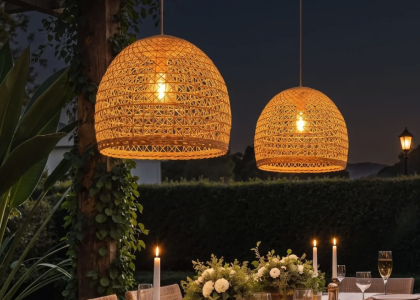


So, you’re wondering about a touch-control outdoor lantern with a travertine stone finish? In short, it’s a super practical and stylish lighting solution designed for outdoor spaces. Think of it as a portable, ambient light source that you can easily move around your patio, deck, or garden, and control with just a tap. The travertine finish gives it a naturally elegant look, making it a step up from your average plastic or metal outdoor lamp. It’s really about blending convenience with aesthetics for a more inviting outdoor experience.
What Makes This Lantern Special?
This isn’t your grandma’s clunky garden light. What really sets this particular lantern apart is its combination of tactile control and sophisticated design. We’re talking about a piece that not only illuminates your outdoor space but also enhances its visual appeal, and does so with remarkable ease of use. It’s a departure from traditional outdoor lighting that often requires a switch or even specific wiring.
The Appeal of Travertine Stone
First off, let’s talk about that travertine stone finish. Travertine is a natural stone, known for its distinct porous texture and beautiful earthy tones – think creams, tans, and light grays. This isn’t some cheap imitation; when used as a finish on a lantern, it brings a genuine sense of organic elegance. It’s a material often associated with high-end architecture and interior design, so seeing it on an outdoor lantern immediately elevates the product. It gives the lantern a substantial, grounded feel, making it look more like a decorative art piece than just a functional light source. This natural aesthetic allows it to blend seamlessly into various outdoor settings, from rustic gardens to modern patios, providing a warm, inviting glow that complements rather than competes with nature. Plus, its inherent variations mean no two lanterns will be exactly alike, offering a unique touch to your space.
The Magic of Touch Control
Then there’s the touch control. Forget fumbling for a tiny switch in the dark or messing with complicated apps. This lantern typically features a touch-sensitive surface – often integrated discreetly into the base or top – that allows you to turn it on, off, and sometimes even adjust the brightness with a simple tap. It’s incredibly intuitive and user-friendly, making it easy for anyone to operate. Imagine hosting a dinner party and being able to subtly adjust the ambiance with a gentle touch, without having to interrupt the flow of conversation. This convenience factor is a huge selling point, especially for outdoor environments where you might have wet hands or be wearing gloves. It adds a layer of modern sophistication to what is already a beautiful object.
Portable and Practical Design
Unlike fixed outdoor lighting, this lantern is designed to be highly portable. It often features a built-in rechargeable battery, meaning no unsightly cords or the need for a nearby power outlet. This freedom allows you to move it wherever light is needed most – perhaps as a centerpiece on your outdoor dining table, to illuminate a cozy reading nook on the patio, or to light the way along a garden path. Its robust construction, often incorporating durable materials beneath the travertine finish, ensures it can withstand the elements, making it genuinely practical for outdoor use. The combination of portability, easy charging, and weather resistance really underscores its utility as a flexible outdoor lighting solution.
Setting Up and Using Your Lantern
Getting this lantern ready to go is typically a breeze. The whole idea is convenience, so installation, if you can even call it that, is minimal. You won’t be needing any electricians or special tools.
Initial Charging and Placement
When you first unbox your lantern, the very first thing you’ll want to do is give it a full charge. Most of these lanterns come with a USB charging cable, sometimes even a wall adapter, making it easy to plug into any standard outlet. Look for an indicator light, usually a small LED, that changes color to let you know when it’s fully charged. This initial charge is crucial to ensure optimal battery life from the get-go. Once charged, you’re free to place it wherever your heart desires. Think about areas where you want to create a focal point, add ambient lighting for relaxation, or even provide some task lighting for an outdoor activity. Because it’s portable and wireless, you’re not restricted by power outlets, which opens up a lot of creative placement options.
Mastering the Touch Controls
Using the touch controls is usually straightforward. Most lanterns will have one or more touch-sensitive areas. A single tap often turns the light on or off. If it offers dimming capabilities, you might find that a second tap cycles through different brightness levels (low, medium, high), or perhaps a sustained touch allows you to continuously dim or brighten the light. Some models might even include different color temperature options (warm white, cool white) which can also be adjusted with a series of taps. The best way to understand your specific lantern’s controls is to refer to the included user manual, but generally, a little experimentation will quickly reveal its functions. It’s designed to be intuitive, so don’t overthink it.
Care and Maintenance for Longevity
Even though these lanterns are built for the outdoors, a little care goes a long way in ensuring they last. For the travertine finish, avoid harsh chemical cleaners which can damage the stone. A simple wipe-down with a damp cloth is usually sufficient to remove dust or light grime. For more stubborn dirt, a mild soap solution can be used, but always make sure to rinse and dry thoroughly. If your lantern is rated for outdoor use, it’s designed to withstand rain and humidity, but it’s still a good idea to bring it indoors during extreme weather conditions like heavy storms, blizzards, or prolonged periods of freezing temperatures, especially to protect the internal electronics and battery. Regularly charging the battery, even if you haven’t used it for a while, can also help maintain its lifespan. Think of it like your smartphone; regular, moderate use and charging is better than letting it completely die for extended periods.
Design and Aesthetic Integration
One of the standout features of this type of lantern is its ability to seamlessly integrate into various outdoor aesthetics. It’s not just a light source; it’s a design element. The travertine finish plays a huge role in this versatility.
Blending with Natural Environments
The inherent earthy tones and textured finish of travertine make it a natural fit for gardens, wooded areas, and spaces that emphasize natural materials. Its neutral palette – typically shades of cream, beige, and soft gray – means it won’t clash with existing greenery, stone pathways, or wooden decks. Instead, it complements them, adding a touch of sophisticated warmth. Imagine it placed amongst potted plants, on a stone wall, or nestled in a flower bed; its appearance is subtle yet striking, enhancing the natural beauty around it without feeling out of place or artificial. The light it emits, often a warm, inviting glow, further harmonizes with the natural twilight, creating a serene and organic atmosphere.
Enhancing Modern and Minimalist Spaces
While it excels in natural settings, the clean lines and understated elegance often found in these lantern designs also make them perfect for modern and minimalist outdoor spaces. The natural stone provides a welcome organic contrast to sleek furniture, concrete patios, or metal accents. It adds texture and warmth without introducing clutter or overly ornate details. In a minimalist design, where every object serves a purpose and contributes to the overall aesthetic, this lantern shines by offering both functional lighting and a touch of refined, natural beauty. Its simplicity of form, combined with the sophistication of the material, prevents it from feeling stark or cold, instead bringing a balanced softness to contemporary settings.
Creating Ambiance for Gatherings
Beyond its visual appeal, the lantern’s primary role is to create an inviting atmosphere. The touch control dimming feature is particularly useful here. For a lively gathering, you might opt for brighter light to ensure everyone can see and interact comfortably. As the evening progresses and conversations wind down, a quick tap can dim the light, shifting the mood to a more intimate and relaxed setting. Multiple lanterns can be strategically placed to define different zones within a larger outdoor area – perhaps one on the dining table, another by a seating arrangement, and a third to highlight a pathway. The soft, diffused light emanating from the travertine finish casts beautiful shadows and avoids harsh glares, fostering a truly comfortable and welcoming environment for friends and family to enjoy.
Technical Aspects and Features
While the aesthetics and ease of use are clear draws, there’s some solid engineering behind these lanterns that contribute to their overall performance and durability. Understanding these technical aspects can help you appreciate the product more.
Battery Life and Charging Solutions
One of the most practical aspects of a wireless outdoor lantern is its battery. Most models come equipped with a rechargeable lithium-ion battery, similar to what you’d find in your phone or laptop. The capacity of this battery dictates how long the lantern can stay lit on a single charge. A typical lantern might offer anywhere from 6 to 12 hours of illumination on its highest setting, and significantly longer on dimmer settings (some models boast 20+ hours on low). Charging is usually done via a USB-C port, a modern and convenient standard, and a cable is almost always included. Some higher-end versions might even offer inductive charging (wireless charging), where you simply place the lantern on a charging pad. Look for lanterns that provide clear indicators for battery level, so you know when it’s time for a recharge. This aspect is crucial for uninterrupted enjoyment during your outdoor evenings.
LED Light Source Benefits
The light source in these lanterns is invariably LED (Light Emitting Diode). There’s a good reason for this. LEDs are incredibly energy-efficient, consuming far less power than traditional incandescent bulbs, which directly translates to longer battery life. They also have an exceptionally long lifespan, often lasting tens of thousands of hours, meaning you won’t be replacing bulbs anytime soon, if ever. Furthermore, LEDs generate very little heat, making the lantern safe to touch even after prolonged use. They also offer excellent control over color temperature, allowing manufacturers to fine-tune the light to be a warm, inviting glow (often around 2700K-3000K), which is perfect for ambiance and matches the natural feel of the travertine. The light output is consistent and flicker-free, providing a stable and pleasant illumination.
Ingress Protection (IP) Ratings
When choosing an outdoor lantern, its IP rating is a critical piece of information. The “IP” stands for Ingress Protection, and the two digits that follow indicate how well the device is protected against solids (dust, dirt) and liquids (water). The first digit ranges from 0 to 6, with 6 meaning it’s dust-tight. The second digit ranges from 0 to 9, with higher numbers indicating better water resistance. For an outdoor lantern, you’ll want to look for an IP rating that suggests it can handle rain and splashes. An IP44 rating, for example, means it’s protected against solid objects larger than 1mm and against splashes of water from any direction. An IP65 rating would be even better, indicating full dust protection and resistance to low-pressure water jets. While most lanterns with a travertine finish are designed for outdoor use, understanding the IP rating helps set expectations for how much exposure to the elements it can truly handle without issue. It’s an important factor for ensuring the longevity of your investment.
Considerations Before You Buy
Before you commit to a touch-control outdoor lantern with a travertine finish, there are a few practical points worth mulling over. This isn’t just about picking out a pretty lamp; it’s about making sure it fits your lifestyle and needs.
Budget and Value Proposition
First off, let’s talk about cost. These lanterns, with their natural stone finish and advanced features, typically fall into the mid to high-end range for outdoor lighting. You’re paying for the quality of the materials, the unique aesthetic of travertine, the convenience of touch control, and often the robust engineering required for outdoor durability. While there might be cheaper plastic alternatives, they simply won’t offer the same tactile experience, visual appeal, or longevity. Consider this an investment in your outdoor living space. Think about the value it brings in terms of ambiance, flexibility, and design. Is it a central piece you’ll use regularly for entertaining or relaxation? If so, the value proposition might outweigh the initial higher cost compared to a generic light. Look at what’s included – is it just the lantern, or does it come with a charging base, or even multiple light settings? These factors contribute to the overall value.
Size and Scale for Your Space
The physical size of the lantern matters more than you might think. A small lantern might get lost on a large patio, while an overly large one could overwhelm a cozy balcony. Before purchasing, take a moment to visualize where you intend to place it. Will it be a tabletop centerpiece, a floor lantern, or an accent light on a shelf? Measure the space if you’re unsure. Check the product dimensions – height, width, and weight. A heavier lantern might be more stable in windy conditions but less convenient to move around frequently. The aim is for the lantern to feel proportional to its surroundings, contributing to the balance and harmony of your outdoor area rather than feeling out of place due to its scale.
Intended Use and Functionality Needs
Finally, consider how you genuinely intend to use the lantern. Are you looking for a subtle, atmospheric glow for quiet evenings, or do you need something bright enough to read by or illuminate a larger area during a gathering? While most of these lanterns offer dimmable settings, their maximum brightness can vary. If you frequently host outdoor dinners, ensure the light output is sufficient. If you live in an area prone to harsh weather, prioritize a higher IP rating. Do you need different color temperature options to match various moods? While many offer a warm white, some might have adjustable color temperatures. Think about the specific functions that are most important to you – whether it’s battery life for extended use, the ease of charging, or particular light modes. Matching the lantern’s features to your actual needs will ensure maximum satisfaction and prevent any post-purchase regrets.