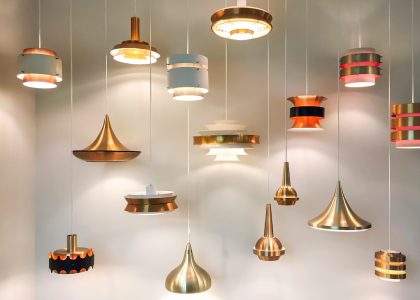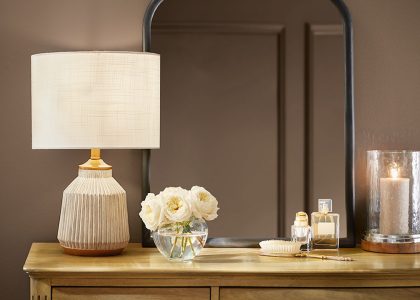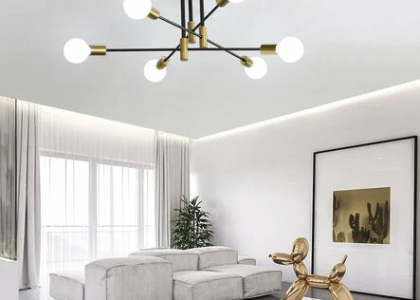

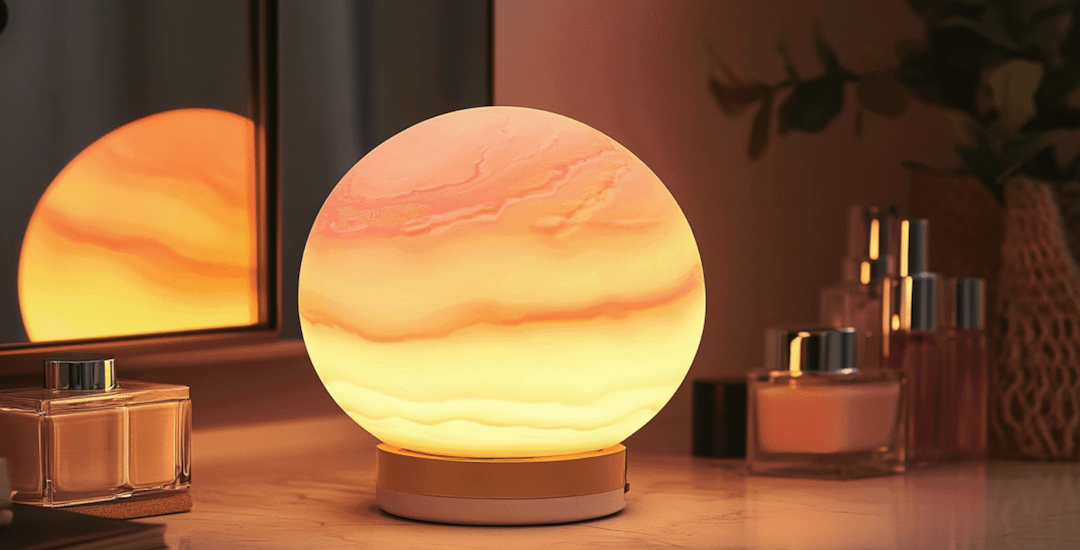
The “Sunset Glow Room Centerpiece” is a decorative object designed to evoke a sense of nostalgia, primarily associated with aesthetics prevalent in the mid-20th century. This centerpiece typically incorporates elements such as warm lighting, specific color palettes, and materials that recall an earlier era of interior design. Its function extends beyond mere illumination, acting as a focal point within a room to cultivate a particular atmosphere.
Nostalgia, derived from the Greek “nostos” (return home) and “algos” (pain), is a sentiment often described as a longing for the past. In design, this longing manifests as a deliberate incorporation of stylistic elements from previous decades or centuries. The appeal of nostalgic design lies in its ability to connect individuals with perceived positive memories or an idealized past, often associated with simplicity, familiarity, or perceived higher quality.
The Mid-Century Modern Influence
The design principles of the mid-20th century, particularly from the 1940s to the 1960s, heavily influence the Sunset Glow Room Centerpiece. This period, known as Mid-Century Modern, emphasized clean lines, organic shapes, and a blend of functionality and aesthetic appeal. Materials like teak, walnut, brass, and glass were prominent, contributing to a distinct visual language.
Color Palettes of the Era
The color choices in Mid-Century Modern design were often vibrant yet sophisticated. Earth tones such as avocado green, mustard yellow, and burnt orange were common, alongside cooler hues like turquoise and dusty blue. These colors, often combined with creams and grays, created a sense of warmth and inviting understated elegance. The Sunset Glow Yibil Centerpiece frequently utilizes these palettes to achieve its desired effect.
Components of a Sunset Glow Room Centerpiece
A typical Sunset Glow Room Centerpiece comprises several key elements that contribute to its overall aesthetic and functional purpose. These components are chosen for their ability to evoke the intended nostalgic ambiance.
Lighting Elements
The primary function of many Sunset Glow Centerpieces involves illumination. The type and quality of light emitted are crucial for establishing the desired mood.
Warm LED or Incandescent Bulbs
To replicate the soft, inviting glow reminiscent of earlier eras, warm-toned light sources are preferred. LED bulbs with a color temperature around 2700K to 3000K, or traditional incandescent bulbs, are commonly employed. This warm light mimics the appearance of natural sunset, contributing to the centerpiece’s name and overall theme.
Diffused Light Sources
Direct, harsh lighting is generally avoided. Instead, light is often diffused through frosted glass, fabric shades, or textured plastics. This diffusion softens the light, reducing glare and creating a more ambient environment, akin to the gentle fade of daylight.
Material Selection
The materials used in the construction of the centerpiece are integral to its aesthetic success, reflecting the stylistic preferences of the mid-century period.
Natural Woods
Woods such as walnut, teak, and oak are frequently incorporated. These materials offer warmth, durability, and a classic aesthetic. The grain patterns and natural finishes of these woods contribute to the authentic feel of the centerpiece.
Brass and Copper Accents
Metallic elements, particularly brass and copper, are often used for structural components or decorative embellishments. Their warm luster complements the chosen color palettes and lighting, adding a touch of understated luxury characteristic of the era. These metals also develop a patina over time, which can enhance the perceived age and authenticity of the piece.
Textured Glass and Acrylic
Glass, often frosted, colored, or textured, is used for lamp shades, bases, or decorative inserts. Acrylics, particularly in opaque or translucent forms, also find their place, echoing the innovative use of plastics in mid-century design.
Design Motifs and Forms
The shapes and patterns incorporated into the centerpiece are critical to its nostalgic appeal.
Geometric Shapes
Clean geometric forms such as circles, rectangles, and triangles are frequently present, reflecting the streamlined aesthetics of Mid-Century Modern design. These shapes often contribute to a sense of order and balance within the piece.
Organic Curves
Alongside geometric forms, soft, organic curves are also common. These fluid shapes, often inspired by natural forms, introduce a sense of movement and gentleness, counterbalancing the more rigid geometric elements.
Atomic Age Inspirations
Subtle allusions to the Atomic Age, a sub-style within Mid-Century Modern, may appear. These can include Sputnik-esque designs, starburst patterns, or motifs suggesting planetary orbits, reflecting the era’s fascination with science and space exploration.
Placement and Integration in a Room
The effectiveness of a Sunset Glow Room Centerpiece is significantly influenced by its placement and how it integrates with the surrounding decor. It should not exist in isolation but rather as a key component of a cohesive design scheme.
As a Dining Table Centerpiece
On a dining table, the centerpiece serves as a focal point during meals and gatherings. Its warm light can enhance the dining experience, creating an intimate and inviting atmosphere. Consideration should be given to its height, ensuring it does not obstruct conversation across the table.
In Living Room Settings
Within a living room, the centerpiece often resides on a coffee table, side table, or as part of a shelving unit. Here, it contributes to the overall ambiance, offering soft background lighting or a decorative anchor for the seating area. It acts as a visual anchor, drawing the eye and providing a point of interest.
Complementary Decor
To maximize the effect, the centerpiece should be supported by complementary decor. This includes furniture, textiles, and artwork that align with the mid-century aesthetic or a broader nostalgic theme. For example, a centerpiece featuring warm brass and walnut would complement furniture upholstered in muted teals or mustard yellows. The overall room should act as a supportive frame for the centerpiece’s narrative.
Psychological Impact and Cultural Relevance
The appeal of the Sunset Glow Room Centerpiece extends beyond its visual attributes. It taps into deeper psychological and cultural currents, offering more than just stylistic ornamentation.
Evoking Comfort and Security
Nostalgic elements in design often evoke feelings of comfort and security. By drawing on a past that may be idealized, the centerpiece can create a perception of familiarity and stability. This can be particularly appealing in contemporary environments characterized by rapid change. The familiar glow can be a psychological anchor in a turbulent sea of modern living.
A Retreat to the Past
For many, the centerpiece offers a symbolic retreat to a perceived simpler time. This “escape” is not an abdication of the present but a curated psychological space designed for relaxation and contemplation. The soft light and familiar forms can facilitate a sense of peace and decompression.
Cultural Resurgence of Vintage Aesthetics
The popularity of the Sunset Glow Room Centerpiece is indicative of a broader cultural resurgence of vintage aesthetics. This resurgence is driven by various factors, including a desire for authenticity, a reaction against ephemeral trends, and an appreciation for craftsmanship. Social media platforms and popular culture have also played a role in disseminating and popularizing these styles. The centerpiece is a tangible manifestation of this cultural pendulum swing back towards classic forms.
Maintenance and Care
To preserve the aesthetic and functional integrity of a Sunset Glow Room Centerpiece, proper maintenance and care are essential. This ensures its longevity and continued ability to contribute to the desired atmosphere.
Cleaning Procedures
Different materials require specific cleaning approaches. For wooden components, dusting with a soft, dry cloth is usually sufficient. Polishes or waxes designed for the specific wood type can be used periodically to maintain its luster. Brass and copper elements may require occasional polishing to remove tarnish, though some individuals prefer the aged patina. Glass and acrylic surfaces can be cleaned with appropriate glass cleaners or mild soapy water to avoid scratching.
Bulb Replacement
When replacing bulbs, ensure the wattage and type match the manufacturer’s specifications. Using incorrect bulbs can lead to overheating or damage to the fixture. For LED bulbs, consider the color temperature to maintain the desired warm glow.
Structural Integrity Checks
Periodically inspect the centerpiece for any signs of structural wear, such as loose joints, frayed wiring, or unstable bases. Addressing these issues promptly can prevent further damage and ensure safe operation. A stable foundation is critical, both literally and metaphorically, for the lasting impact of the piece.
Conclusion
The Sunset Glow Room Centerpiece is more than a decorative object; it is a carefully curated experience. By blending mid-century design principles, warm lighting, and quality materials, it functions as a portal, inviting the observer to engage with an idealized past. Its appeal lies in its ability to evoke nostalgia, foster comfort, and serve as a consistent aesthetic anchor in an ever-evolving world. Integrating such a piece into an interior design scheme contributes a distinct character and a palpable sense of historical grounding, transforming a mere room into a specific, remembered atmosphere.