
So, you’re thinking about an industrial cage ceiling fixture. Awesome! They’re a fantastic way to inject some personality and a touch of urban grit into almost any room. Forget those bland, forgettable lights; cage fixtures offer a practical yet stylish solution for creating a focal point and setting a distinct mood. They balance a raw, utilitarian aesthetic with surprising versatility, meaning they can actually work in more places than you might initially think. Let’s dive into what makes them so great and how you can make one work for your space.
At its core, an industrial cage ceiling fixture is a light designed with a protective metal cage around the bulb or bulbs. This design evokes the look of industrial settings, workshops, and old factories where protective coverings were necessary for safety and durability.
The Visual Appeal: More Than Just a Cage
The cage itself is the defining feature, usually made from metal like iron, steel, or brass. It can be simple and open, or more intricate with bars, grids, or even woven patterns. This element adds a touch of raw, mechanical charm.
Functionality Meets Form
While the cage has a distinct aesthetic, it also serves a purpose. It shields the bulb, preventing accidental breakage and, depending on the design, can also direct the light in interesting ways by casting shadows or creating patterns on your walls and ceiling.
Where Do These Fixtures Shine? The Versatile Applications
You might picture these lights only in gritty lofts, but their adaptability is one of their biggest strengths. They can elevate a variety of spaces.
Beyond the Loft: Kitchens and Dining Areas
Think about the clean lines and hard-wearing surfaces often found in kitchens. An industrial cage fixture ties in perfectly with stainless steel appliances, butcher block countertops, or even a more minimalist cabinetry style. In a dining room, it can add a grounded, unfussy element to a wooden table, making the space feel more inviting and less formal.
Bringing it to the Living Room: A Statement Piece
A well-chosen cage fixture can become a real talking point in a living room. It’s a chance to introduce an unexpected texture and visual weight. Consider how it might balance softer elements like plush sofas or curated bookshelves, creating a dynamic contrast that keeps the room from feeling too one-note.
Bedrooms and Beyond: Adding Character
Even in a bedroom, a cage fixture can work. Opt for a fixture with a softer finish or a less imposing cage design if you’re looking for a subtle touch of industrial flair. They can also be great in hallways, entryways, or even in a home office to foster a focused, productive atmosphere.
The Bathroom: Unexpected Edges
Yes, even bathrooms can benefit. Imagine a fixture above a vanity where the clean, often tiled environment can be beautifully contrasted with the raw appeal of a cage light. Just be sure to choose a fixture that’s appropriate for a damp environment, or place it where it won’t be directly exposed to steam.
Material Matters: Choosing the Right Metal Finish
The material and finish of your cage fixture significantly impact its overall look and how it integrates with your existing decor.
Classic Black: The Go-To Option
Black is an enduring favorite for industrial cage fixtures. It’s versatile, bold, and doesn’t try too hard. A matte black finish, in particular, offers a sophisticated, non-reflective surface that complements a wide range of color palettes. It can make a fixture blend in subtly or stand out as a strong architectural element.
Brushed Nickel and Stainless Steel: Modern Industrial
If your space leans more towards modern aesthetics or has a lot of chrome or stainless steel elements, brushed nickel or stainless steel cage fixtures are a natural fit. They offer a cleaner, more refined industrial look compared to darker finishes, providing a bright gleam that can help make smaller spaces feel more open.
Oil-Rubbed Bronze and Brushed Brass: Warm Undertones
For a warmer, more vintage-inspired industrial feel, consider oil-rubbed bronze or brushed brass. These finishes add a touch of history and character. Oil-rubbed bronze often has subtle variations in color, giving it depth, while brushed brass can bring an unexpected sophisticated warmth, especially when paired with rich wood tones or deep jewel colors.
Raw Metal and Galvanized Finishes: Ultimate Utilitarian Vibe
If you’re aiming for the most authentic, factory-floor look, raw metal or galvanized finishes are your best bet. These often have a slightly rougher texture and can even show subtle imperfections that only add to their charm. They are fantastic for spaces that embrace a more rustic or unrefined industrial aesthetic.
Bulb Selection: The Secret to the Cage’s Charm
The type of bulb you choose for your cage fixture is arguably as important as the fixture itself. It’s what provides the light and dictates the mood.
Edison Bulbs: The Quintessential Choice
Edison bulbs are almost synonymous with industrial cage fixtures. Their visible filaments and warm, amber glow create an instant vintage atmosphere. They come in various shapes and sizes, from classic teardrop to globe styles, offering different visual effects within the cage.
LED Equivalents: Efficiency Meets Style
Don’t shy away from LED options. Many manufacturers now produce LED bulbs designed to mimic the look of traditional Edison bulbs, offering the same aesthetic appeal with the added benefits of energy efficiency and longer lifespan. Look for “vintage LED” or “Edison style LED” bulbs.
Clear vs. Frosted: Light Quality Control
Consider whether you want a clear bulb that allows the filament to be fully visible and casts more direct light, or a frosted bulb that diffuses the light for a softer, more ambient glow. The openness of the cage will dictate how much of the bulb and its light quality you’ll see.
Wattage and Lumens: Practical Light Levels
Beyond aesthetics, think about the practical light output. For task lighting areas like kitchens, you might want a slightly higher lumen output. For ambient lighting in a living room or bedroom, a lower lumen count can be more suitable. Always check the fixture’s compatibility with different wattage bulbs.
Installation and Safety: Getting it Up and Running
While many cage fixtures are quite straightforward to install, there are some key considerations to keep in mind.
Checking Your Existing Fixture Compatibility
Before you buy, check the mounting hardware of your existing ceiling fixture. Most industrial cage fixtures use standard mounting systems, but it’s always good to confirm that the new fixture will connect to your existing ceiling box and wiring without major modifications.
Understanding Wiring Basics
If you’re comfortable with basic electrical work, installing a ceiling fixture is usually a manageable DIY project. This typically involves turning off the power at the breaker, disconnecting the old fixture, connecting the new wires (usually black to black, white to white, and ground to ground), and securing the fixture.
When to Call a Professional Electrician
If you’re unsure about any part of the electrical wiring process, or if your existing wiring looks old or suspect, it’s always best to err on the side of caution and hire a qualified electrician. Safety should always be the top priority. Modernizing wiring can also be an opportunity to ensure your home is up to code.
The Importance of Secure Mounting
Ensure the fixture is securely mounted to the ceiling joist or electrical box. A heavy fixture that isn’t properly secured could be a safety hazard. Most fixtures come with mounting brackets designed for this purpose, so follow the instructions carefully.
Local Building Codes and Regulations
Depending on where you live, there might be specific building codes regarding electrical installations. While often straightforward for a simple fixture replacement, it’s worth being aware of any local regulations that might apply, especially if you’re doing more extensive renovations.
Beyond the Bulb: Decorative Touches and Variations
The world of cage fixtures extends beyond the basic single-bulb pendant. There’s a wealth of design variations to explore.
Multi-Bulb Fixtures: More Light, More Impact
For areas needing more illumination or for a bolder statement, multi-bulb industrial cage fixtures are a great option. These can feature multiple bulbs arranged in a linear fashion, a cluster, or even a cascading design, creating a more dramatic and functional lighting solution.
Semi-Flush Mounts: Bringing the Style Lower
If a pendant hanging too low is a concern, semi-flush mount cage fixtures are an excellent compromise. They attach closer to the ceiling but still offer the distinct industrial cage aesthetic, making them perfect for rooms with lower ceilings or high-traffic areas where head clearance is a consideration.
Wall Sconces and Vanity Lights: Extending the Theme
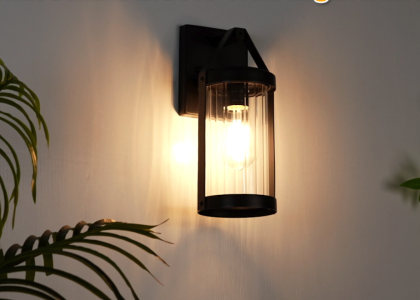
The industrial cage theme doesn’t have to stop at the ceiling. You can find matching wall sconces and vanity lights that allow you to create a cohesive look throughout different areas of your home. This is a fantastic way to tie together the design elements of a kitchen and adjacent dining area, or a bathroom and its entryway.
Integrated Designs: Unique Shapes and Combinations
Some designers play with the cage concept by integrating it with other materials or creating more sculptural forms. You might find fixtures where the cage is combined with wood accents, exposed pipework, or features unconventional cage shapes that push the boundaries of the traditional industrial look.
The Role of the Shade (or lack thereof)
While most cage fixtures are designed to have the bulb exposed within the cage, some might incorporate a secondary element like a small diffuser or a glass shade inside the cage. This can subtly alter the light diffusion and add another layer of visual interest. Always consider how much of the bulb’s character you want to be visible.
Maintenance and Longevity: Keeping Your Fixture Looking Good
Taking care of your industrial cage fixture ensures it remains a stylish and functional part of your space for years to come.
Regular Cleaning
Dust buildup can dull the metal and even affect the light output. A simple dusting with a soft, dry cloth should be done regularly. For more stubborn dust or grime, a slightly damp cloth (wring it out well!) can be used, followed by a dry cloth to prevent water spots.
Polishing and Protecting Metal Finishes
Depending on the metal finish, you might want to use a specific metal polish to restore shine or protect against tarnishing. For brushed finishes, use polishes that are designed for brushed metal to avoid leaving streaks. Always test a small, inconspicuous area first.
Checking Bulb Condition
Periodically check your bulbs. If you’re using Edison-style bulbs, they have a finite lifespan, and you’ll eventually need to replace them. If you’re using LEDs, they are designed to last much longer, but it’s still wise to check them occasionally to ensure they’re functioning optimally.
Inspecting Wiring and Mountings
While not a regular task, it’s a good idea to do a quick visual inspection of the wiring connections and the fixture’s mounting every year or so. Ensure everything is still secure and that there are no visible signs of wear or damage. This is an easy preventative measure.
Avoiding Harsh Chemicals
When cleaning your fixture, avoid abrasive cleaners, harsh chemicals, or scouring pads, as these can scratch, dull, or damage the metal finish. Stick to gentle cleaning methods to preserve the integrity of the material.
By considering these aspects, you can confidently choose and integrate an industrial cage ceiling fixture that not only lights up your space but does so with character and enduring style. It’s a practical choice that can truly elevate the aesthetic of your home.