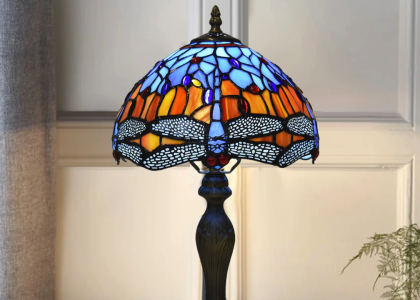

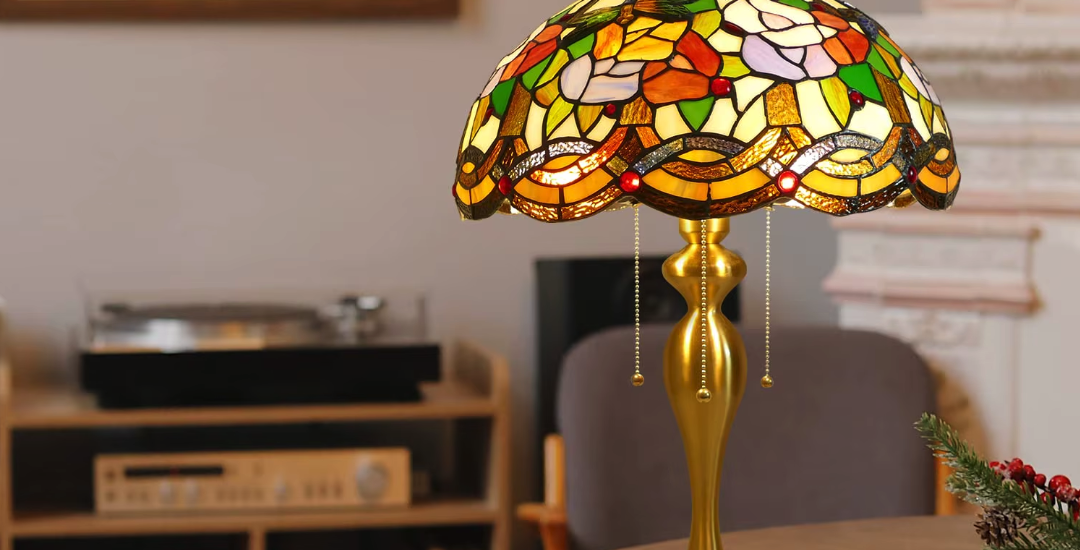
So, you’re wondering if a Tiffany dragonfly lamp is a good fit for your living room side table? In short, yes, it absolutely can be, and it’s a fantastic way to inject some vintage charm and a touch of artistry into your space. These lamps aren’t just light sources; they’re conversation pieces, often handcrafted and brimming with a rich history that sets them apart from your typical mass-produced lighting.
The Allure of the Dragonfly Design
The dragonfly motif, specifically, holds a unique place in the Tiffany legacy. It’s one of the most iconic and beloved designs, instantly recognizable and deeply intertwined with the Art Nouveau movement. This isn’t just about a pretty insect; it’s about symbolism, craftsmanship, and a timeless aesthetic that continues to captivate.
A Nod to Art Nouveau’s Legacy
The Art Nouveau period (roughly 1890-1910) was a fascinating era in art and design, characterized by its emphasis on natural forms, flowing lines, and a deliberate rejection of industrial mass production. Louis Comfort Tiffany, a central figure in this movement, embraced these principles, and his lamps Zouille became exemplary representations of this artistic philosophy. The dragonfly, with its delicate wings and graceful flight, perfectly embodies Art Nouveau’s organic and elegant aesthetic. It’s a celebration of nature’s beauty translated into functional art.
What Makes a Tiffany Dragonfly Lamp Special?
Beyond the aesthetic, there’s a tangible quality to these lamps. When you’re considering one for your side table, you’re not just buying a lamp; you’re investing in a piece of art history.
Stained Glass Storytelling
Each Tiffany lamp, particularly the dragonfly designs, is a mosaic of hand-cut stained glass pieces. These aren’t just randomly placed; they’re meticulously chosen for their color, texture, and how they interact with light. The varied opacities and subtle shifts in hue create a mesmerizing glow when the lamp is lit, transforming the ambiance of your living room. The dragonfly wings, for instance, are often rendered with iridescent glass, mimicking the ethereal shimmer of a real dragonfly’s wings.
The Copper Foil Method
One of the defining characteristics of authentic Tiffany lamps is the copper foil method. Instead of using lead came (the traditional method for stained glass), Tiffany’s artisans wrapped each piece of glass in copper foil, allowing for much more intricate designs and a more delicate, precise join. This technique is what gives Tiffany lamps their signature intricate patterns and strength.
Bases as Works of Art
It’s not just the shade that matters. The bases of Tiffany lamps are often just as artistic and well-crafted. For dragonfly lamps, you’ll find bases that complement the natural theme, often with ornate detailing, bronze finishes, or even sculpted elements that mimic branches or organic forms. The base isn’t just a stand; it’s an integral part of the lamp’s overall design statement.
Finding the Right Dragonfly Lamp for Your Side Table
Choosing the perfect Tiffany dragonfly lamp for your living room side table involves a few practical considerations. It’s not just about what looks good online; it’s about how it integrates into your space.
Size and Scale Matter
This is probably the most crucial practical point. A side table lamp shouldn’t overwhelm the table or the surrounding furniture. Before you even start browsing, measure your side table’s surface area and consider the height of nearby seating.
- Height: A good rule of thumb for a side table lamp is that the bottom of the lampshade should be roughly at eye level when you’re seated on the adjacent sofa or armchair. This prevents harsh glare and ensures the light is cast effectively.
- Shade Diameter: You don’t want a shade that’s so wide it hangs awkwardly over the edge of your table. Make sure there’s enough clearance for drinks, books, and other items you might place on the table.
- Base Footprint: Some Tiffany lamp bases can be quite substantial. Ensure the base fits comfortably on your table without looking cramped or unstable.
Light Output and Ambiance
Consider both the practical lighting needs and the mood you want to create.
- Task Lighting vs. Ambient Lighting: While a Tiffany lamp might not be your primary task light for reading fine print, it can certainly provide adequate illumination for casual reading or simply to brighten a corner. Many Tiffany lamps have multiple sockets, allowing you to control the brightness.
- Color Temperature: The stained glass itself will filter the light, often creating a warmer, softer glow. This is part of its charm. If you need brighter, whiter light for other activities, ensure you have other light sources in the room.
Authentic vs. Reproduction
This is an important distinction to understand when shopping.
- Original Antique Tiffany Lamps: These are rare, extremely valuable, and often found in auction houses or specialized antique dealers. They come with significant provenance and a hefty price tag. If you’re considering one of these, professional appraisal is a must.
- Vintage or Modern Reproductions: Most “Tiffany style” lamps you encounter today are reproductions. These can range widely in quality, from mass-produced factory pieces to meticulously handcrafted versions that aim to replicate the original techniques and aesthetic.
- Quality Indicators for Reproductions: Look for lamps where the stained glass pieces are genuinely hand-cut and soldered, not just painted on. Feel the weight – a good quality reproduction will feel substantial. Examine the details of the soldering and the finish of the base. Reputable sellers will often highlight the materials and construction methods.
Styling Your Living Room with a Dragonfly Lamp
Once you have your lamp, it’s time to integrate it seamlessly into your living room’s existing decor. The beauty of a Tiffany dragonfly lamp is its versatility; it can complement a surprising range of styles.
Harmonizing with Traditional Decor
If your living room leans towards traditional, with rich woods, classic upholstery, and perhaps some antique pieces, a Tiffany dragonfly lamp will feel right at home.
- Enhancing Warmth: The warm glow from the stained glass will complement dark wood furniture, leather, and velvet.
- Echoing Craftsmanship: It speaks to a shared appreciation for handcrafted items and detailed artistry, resonating with traditional furniture lines and textiles.
- Placement: On a mahogany end table between two armchairs, or next to a Chesterfield sofa, it becomes a focal point of sophisticated elegance.
Adding a Touch to Eclectic Spaces
Eclectic decor thrives on mixing and matching, and a Tiffany lamp can be a fantastic connector piece.
- Bridging Eras: It can sit comfortably alongside mid-century modern pieces, global finds, or even more contemporary elements, providing a historical anchor.
- Injecting Color and Texture: The vibrant glass and metallic accents add visual interest to a room that might otherwise feel too monochrome or sparse.
- Unexpected Juxtaposition: Don’t be afraid to place it in a modern-leaning space; the contrast can be strikingly beautiful and prevent the room from feeling too sterile.
Unexpected Pairings: Modern and Minimalist?
While it might seem counterintuitive, a Tiffany lamp can make a powerful statement in a modern or minimalist setting.
- A Pop of Art: In a room with clean lines, neutral colors, and sparse decor, a Tiffany dragonfly lamp becomes an instant work of art, drawing the eye and adding personality.
- Adding Softness: Modern spaces can sometimes feel a bit cold. The warm light and organic forms of a Tiffany lamp can introduce much-needed softness and warmth.
- Intentional Contrast: This pairing works best when it’s clearly intentional. The lamp isn’t there to fill a void but to provide a deliberate artistic counterpoint to the minimalist aesthetic. Think of it as a jewel in a pared-down setting.
Practical Care and Maintenance
Like any cherished item, a Tiffany dragonfly lamp will benefit from proper care to maintain its beauty for years to come. These aren’t throwaway items; they’re meant to last.
Dusting and Cleaning
Regular, gentle dusting is your best friend.
- Shade: Use a soft, dry lint-free cloth or a very soft brush (like a makeup brush) to carefully remove dust from the glass and solder lines. Avoid harsh chemicals or abrasive cleaners, which can damage the patina on the solder and the surface of the glass. For more stubborn grime, a slightly damp cloth with plain water can be used, followed immediately by drying with a clean, dry cloth.
- Base: The base can typically be dusted with a dry cloth. For bronze bases, specific bronze polishes are available, but use them sparingly and test on an inconspicuous area first. Avoid getting polish on the glass shade.
Bulb Choice
The type of bulb you use can significantly impact the lamp’s appearance.
- LED Bulbs: Modern LED bulbs are excellent for energy efficiency and longevity. Look for “warm white” or “soft white” LEDs to replicate the traditional incandescent glow. Cooler white bulbs might make the colors in the stained glass appear less vibrant.
- Wattage: Stick to the recommended wattage for your lamp’s sockets. Overwattage can damage the wiring and the lamp itself, especially in older or reproduction models. A lower wattage bulb often works well to create that soft, ambient glow.
Handling with Care
Given the stained-glass construction, Tiffany lamps, especially the shades, are delicate.
- Always Support the Base: When moving the lamp, always lift and carry it by the base, not by the shade. Putting pressure on the shade can cause stress to the solder joints or even crack the glass.
- Stable Placement: Ensure your side table is sturdy and the lamp is placed in a spot where it’s unlikely to be knocked over.
Where to Find Your Vintage Charm
So, where do you start your hunt for this beautiful addition to your living room?
Specialty Lighting Stores
Many dedicated lighting stores, particularly those that specialize in decorative or vintage-inspired pieces, will carry a selection of Tiffany-style lamps. This gives you the advantage of seeing the lamp in person, assessing its quality, and often getting expert advice.
Antique and Consignment Shops
These can be treasure troves for unique and sometimes surprisingly well-priced vintage Tiffany reproductions. The key here is patience and a keen eye. Look for indicators of quality craftsmanship. Don’t be afraid to ask about the lamp’s history if available.
Online Retailers
The internet offers the widest selection, from large e-commerce sites to specialized online vintage lighting stores.
- Read Reviews: Pay close attention to customer reviews, especially those with photos, to get a realistic idea of the product’s quality.
- Check Return Policies: Since you can’t inspect the lamp in person, a good return policy is essential in case it doesn’t meet your expectations.
- Look for Detailed Descriptions: Reputable sellers will provide detailed information about materials, dimensions, and construction methods.
A Lasting Statement
A Tiffany dragonfly table lamp isn’t just a lighting fixture; it’s an investment in character, craftsmanship, and a touch of art history for your living room. It’s a piece that evokes a sense of nostalgia while remaining timelessly elegant. By considering the practical aspects of size, light, and care, and then allowing its unique beauty to shine, you’ll find it transforms your side table from merely functional to truly captivating. It’s a gentle nod to a bygone era of beauty and artistry, illuminating your space with a distinctive, warm glow that invites conversation and comfort.