
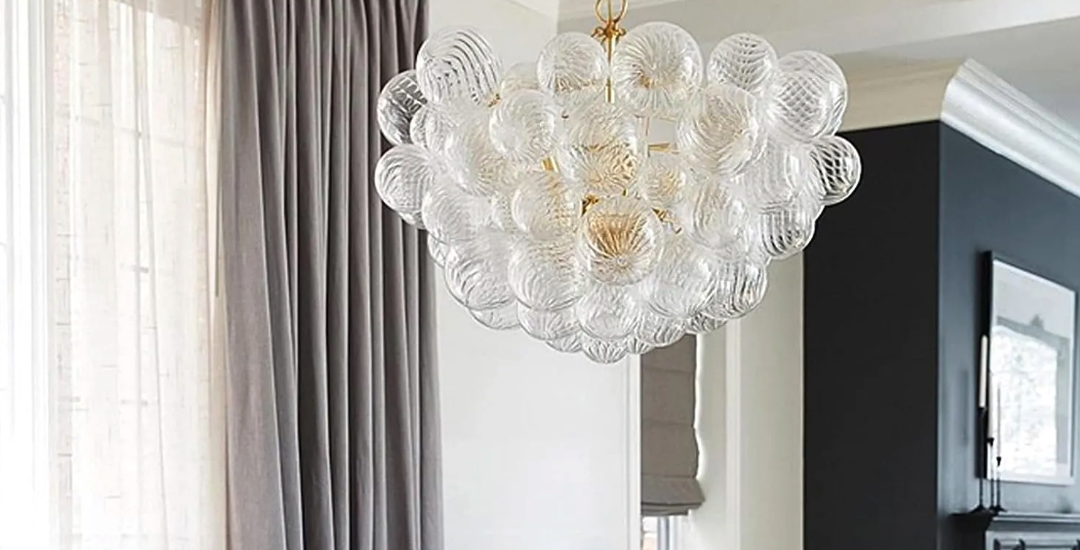
If you’re looking for a lighting fixture that truly stands out and offers a touch of classic sophistication, a vintage Murano style glass chandelier is an excellent choice. These pieces go beyond mere illumination; they are functional works of art, bringing a unique blend of history, craftsmanship, and undeniable elegance to any space. The “Murano style” part is key – it refers to the distinctive techniques and aesthetic popularized by glass artisans on the island of Murano, near Venice, Italy, for centuries.
Vintage Murano style chandeliers Artboxhome, whether true antiques or well-preserved older pieces, offer a unique aesthetic that mass-produced alternatives simply can’t replicate. They carry a story, a sense of artistry, and an enduring allure that makes them a focal point in any interior.
The enduring appeal of Murano glass chandeliers lies in the rich history and specialized techniques developed over centuries by artisans on the island of Murano. This isn’t just any glass; it’s the result of generations of perfected skills.
A Legacy of Craftsmanship
Murano glassmaking dates back to the 13th century when Venetian glassmakers were forced to move their furnaces to the island of Murano. This was largely a safety measure, to prevent destructive fires in the densely populated city of Venice. However, it also served to isolate the glassmakers, protecting their trade secrets and fostering an environment of unparalleled innovation. Over the centuries, Murano glassmakers developed and refined a vast array of techniques, many of which are still used today.
Distinctive Glassmaking Techniques
Several techniques contribute to the unique beauty and variety of Murano style chandeliers:
- Cristallo: A clear, colorless, and highly transparent glass developed in the 15th century, famed for its brilliance. Many of the intricate forms found in chandeliers rely on this clarity.
- Latimo: An opaque white glass that mimics porcelain, often used to create contrast or delicate, milky accents.
- Aventurine: Glass infused with tiny metallic specks, usually copper, giving it a shimmering, glittery effect. When caught by the light, it adds a subtle sparkle.
- Millefiori (Thousand Flowers): Created by fusing together small slices of multicolored glass canes (rods) to form intricate floral or geometric patterns. While more commonly seen in paperweights or decorative objects, elements can appear in chandelier details.
- Filigrana (Filigree): Involves embedding delicate colored glass threads or canes within a transparent glass body, creating striped, latticework, or spiral patterns. This technique adds a great deal of visual texture and sophistication.
- Retortoli (Twisted Ribbons): A specific type of filigrana where twisted canes of colored and clear glass are incorporated, resulting in a spiraling, almost candy-cane like effect.
- Bullicante (Bubbles): A technique where controlled air bubbles are trapped within multiple layers of glass, creating a unique visual texture. More common in heavier decorative pieces, but elements can be found.
These techniques, often combined, result in pieces with unparalleled depth, color, and intricate detail. The glass isn’t merely functional; it’s intentionally decorative and sculptural.
Why Choose Vintage Murano Style? Beyond Just “Old”
Opting for a vintage Murano style chandelier isn’t just about saving money (though it certainly can be compared to new, high-end pieces). It’s about acquiring an object with character, history, and a level of craftsmanship that’s increasingly rare.
A Piece of History and Character
A vintage chandelier has lived a life. It might have graced a grand salon, a boutique hotel, or a sophisticated home. This past imbues it with a unique character that a brand-new fixture, no matter how well-made, simply doesn’t possess. Minor imperfections, a natural patina, or even subtle variations in the glass tell a story of its journey through time.
Unparalleled Craftsmanship and Material Quality
Before mass production became the norm, lighting fixtures were often handcrafted with meticulous attention to detail. Vintage Murano style chandeliers, even those from the mid-20th century, often showcase superior hand-blown glass, more robust metal frames, and assembly techniques that prioritize longevity. The sheer skill involved in shaping delicate glass elements – like flowers, leaves, or intricate scrolls – is remarkable.
Sustainable and Unique Decor
Choosing vintage is inherently a sustainable choice. You’re giving an existing object a new life, reducing demand for new goods, and minimizing your environmental footprint. Furthermore, each vintage Murano style chandelier is genuinely unique. While designs might be similar, no two pieces are exactly alike due to the handmade nature of the glass. You’re acquiring a distinctive focal point that sets your space apart.
Investment Potential
Well-maintained vintage Murano style chandeliers, particularly those from reputable makers or with identifiable provenance, can retain or even increase their value over time. They are not merely decorative items but tangible assets that appreciate as appreciation for artisanal craftsmanship grows.
Identifying and Sourcing Your Chandelier
Finding the right vintage Murano style chandelier involves a bit of research and knowing where to look. It’s not always as straightforward as buying new, but the reward is a truly special item.
What to Look For: Key Characteristics
When evaluating a vintage Murano style chandelier, consider these aspects:
- Glass Quality: Look for clarity, brilliance, and consistent coloring. Genuine Murano style glass elements will often have subtle variations that speak to their handmade origin, rather than the complete uniformity of machine-made glass. Check for intricate techniques like aventurine flecks, filigree patterns, or delicate details.
- Condition of Glass Elements: Inspect for chips, cracks, or significant damage. Minor fleabites on edges of leaves or flowers are common with age and handling and often don’t detract significantly, but large or prominent damage will.
- Frame and Wiring: Check the metal frame for stability, corrosion, or significant bending. The wiring is crucial – for safety, a vintage piece will almost certainly need to be rewired to meet modern electrical standards. This is a standard procedure for vintage lighting.
- Completeness: Are all the glass elements (flowers, leaves, arms, drops, bobeches) present? Missing pieces can be difficult and expensive to replace, though some can be custom-made.
- Style and Era: Murano style chandeliers evolved. Mid-century pieces often feature cleaner lines, perhaps fewer decorative elements, and bolder colors. Earlier pieces might be more elaborate, with ornate scrolled arms and an abundance of floral details. Researching different eras can help you narrow down your preference.
Where to Begin Your Search
- Antiques Dealers & Shops: Reputable antique dealers often specialize in certain categories, including lighting. They are more likely to have authenticated pieces and can offer valuable insights into their history and condition.
- Specialized Vintage Lighting Stores: Some stores focus exclusively on vintage and antique lighting. These are excellent resources as they typically clean, repair, and often rewire fixtures before selling them.
- Online Marketplaces (with caution): Websites like Etsy, 1stDibs, Chairish, and even eBay can be treasure troves. However, exercise caution. Always ask for detailed photos, condition reports, and clarification on “Murano style” vs. “genuine Murano.” Ensure the seller has a good reputation and offers clear return policies.
- Auction Houses: For higher-end or truly antique pieces, auction houses can be a source. Be prepared to pay a premium, but you’re also likely to find well-documented and sometimes authenticated items.
- Estate Sales & Flea Markets (for the adventurous): While you might find a hidden gem, these venues require a keen eye and a tolerance for pieces that often need significant restoration and rewiring.
Integrating Into Your Home: Style and Placement
A vintage Murano style chandelier is a statement piece. Its successful integration into your home depends on understanding its aesthetic and placing it thoughtfully.
Complementing Various Decor Styles
Despite their often ornate nature, Murano style chandeliers are surprisingly versatile:
- Classic & Traditional: This is their natural habitat. They enhance the grandeur of traditional interiors, pairing beautifully with antique furniture, rich fabrics, and formal settings.
- Transitional: In a transitional space, where traditional elements meet modern ones, a Murano style chandelier can act as a stunning bridge, adding warmth and artistry without overwhelming a more contemporary feel. Look for simpler, less ornate styles.
- Eclectic: For those who love to mix and match, a Murano style chandelier can be a fantastic focal point, introducing an element of historical elegance into a highly personal and varied space.
- Modern (with care): While less common, a bold, sculptural Murano style chandelier can create a dramatic contrast in a minimalist modern space, especially if the piece has clean lines or a striking monochrome color. The contrast can be highly effective.
Strategic Placement for Maximum Impact
Choosing the right location is paramount for a chandelier’s effectiveness:
- Dining Room: The classic placement. It anchors the dining area, creating an instant sense of occasion and drawing the eye. Ensure it’s hung high enough so it doesn’t obstruct views across the table, typically 30-36 inches (75-90 cm) above the tabletop.
- Entryway/Foyer: A grand chandelier in an entryway makes a powerful first impression, setting the tone for your home. Consider the ceiling height to ensure it doesn’t overpower the space.
- Living Room: If your living room has high ceilings or an open-plan layout, a chandelier can define zones and add a layer of sophistication. Avoid placing it where it could become a head hazard.
- Bedroom (Master): For a touch of luxury and romance, a Murano style chandelier in a master bedroom can create an opulent sanctuary. Look for styles that offer a softer, more diffused light.
- Powder Room/Bathroom: A smaller, delicate Murano style chandelier can elevate a powder room to an unexpected jewel box, adding glamour to a often-overlooked space.
Consider the scale of the chandelier relative to the room. A general rule of thumb is that the diameter of the chandelier in inches should roughly equal the sum of the room’s length and width in feet. For example, a 10×12 foot room (22 feet total) would suit a chandelier around 22 inches in diameter.
Maintenance and Care for Longevity
Owning a vintage Murano style chandelier is a commitment to preserving a beautiful object. Proper care ensures its continued brilliance for years to come.
Regular Cleaning
Dust and grime can quickly dull the sparkle of glass. Regular, gentle cleaning is essential:
- Dusting: Use a soft, feather duster or a microfiber cloth with an electrostatic charge to gently remove surface dust. Do this regularly, perhaps monthly, to prevent buildup.
- Deeper Cleaning (Annually/Bi-annually): For a thorough clean, you’ll need to turn off the power at the circuit breaker.
- Remove Removable Parts: Carefully remove any easily detachable glass elements (drops, leaves, flowers) where possible. Be exceedingly gentle.
- Hand Wash: Wash these elements in warm, soapy water (mild dish soap is fine). Rinse thoroughly with clean water.
- Dry: Lay them on a clean towel to air dry completely, or gently buff with a lint-free cloth. Do NOT reattach until fully dry.
- Clean Fixed Parts: For the main body and fixed arms, use a spray-on chandelier cleaner (applied generously until it drips, with a sheet underneath to catch drips) or wipe with a damp, lint-free cloth. Be careful not to let excess liquid get into the electrical components.
- Buff: Once dry, buff all glass surfaces with a clean, dry microfiber cloth to restore their shine.
Always avoid harsh chemical cleaners, abrasive cloths, or anything that could scratch the delicate glass.
Professional Restoration and Rewiring
- Rewiring: This is arguably the most crucial step for a vintage chandelier. If you acquire a piece with original wiring, it must be rewired by a qualified electrician to meet modern safety standards. Old wiring can be brittle, pose a fire hazard, and may not be compatible with current bulb types. This typically involves replacing all internal wires, sockets, and sometimes even the chain and canopy if they are compromised.
- Glass Repair: If a piece has broken or missing glass elements, a specialized glass restorer, particularly one with experience in artistic glass, may be able to repair or recreate the parts. This can be costly but is often worthwhile for a cherished piece.
- Frame Refinishing: Over time, metal frames can tarnish or corrode. A professional lighting restorer can clean, polish, or even re-patinate the metalwork to restore its original luster without damaging the glass.
It’s always better to consult with professionals for significant repairs or restoration, as improper handling can cause irreversible damage to these valuable pieces.
The Enduring Appeal
In a world increasingly dominated by mass-produced items, a vintage Murano style glass chandelier stands as a testament to human ingenuity, artistic skill, and enduring beauty. It’s more than just a light source; it’s a conversation starter, a focal point, and an investment in history and art. Choosing one means bringing a sense of timeless elegance and authentic character into your home, creating an ambiance that is both sophisticated and deeply personal. It’s a statement that craftsmanship and beauty will always hold a cherished place in our spaces.